7 Furniture Trends 2026 That Turn Your Home into a Sanctuary
Furniture trends 2026 — curved pieces, natural materials, and modular furniture for an authentic home. Discover how to transform your living space.
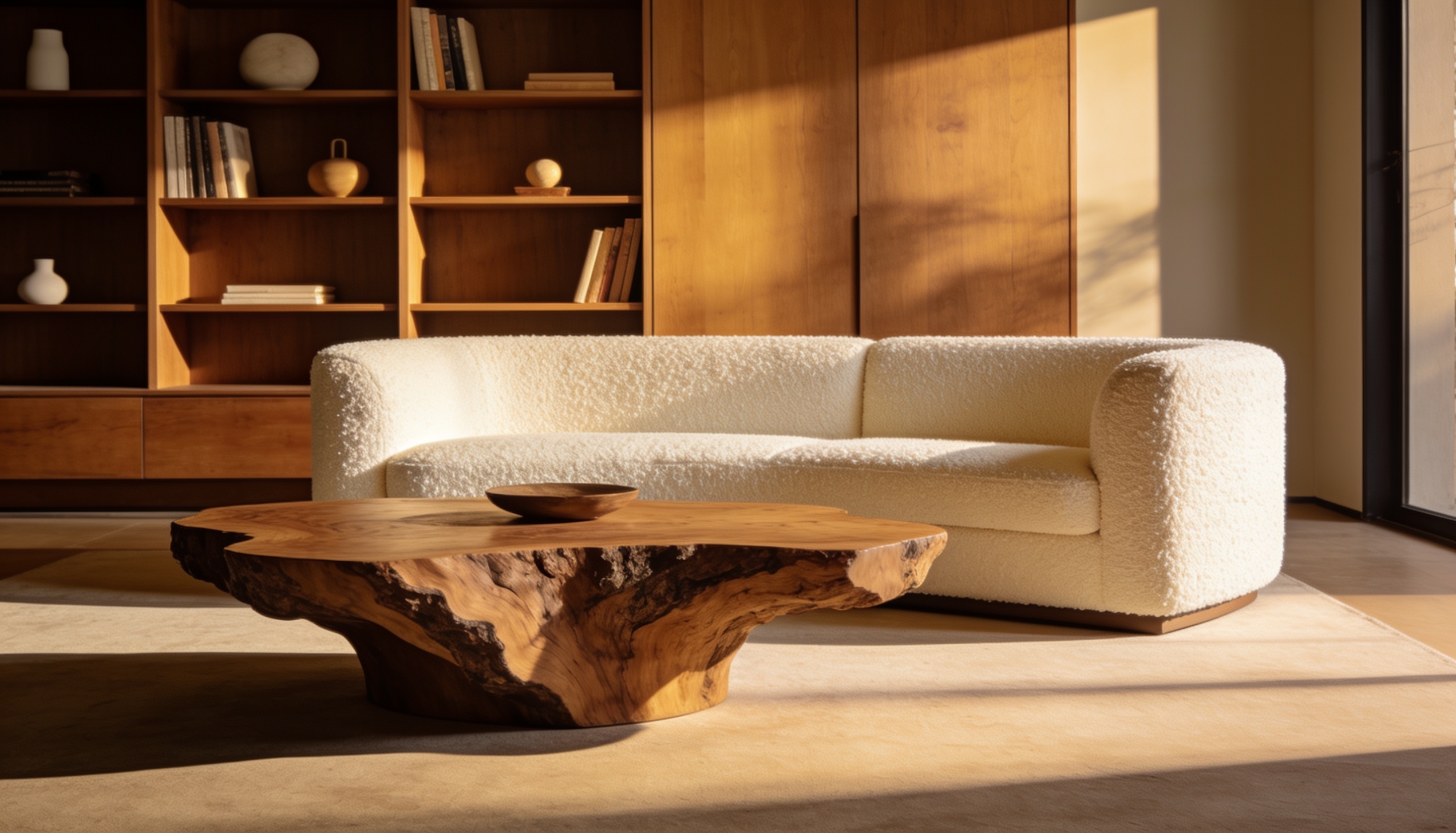
After years of cold minimalism and industrial lines, our homes are starting to look like homes again. In 2026, furniture is no longer just functional — it becomes an expression of who you are, how you live, and what you value. The major design fairs in Milan and Copenhagen have already set the direction: curved pieces, materials that wrap and protect, modular systems that grow with you. Here are 7 furniture trends 2026 worth your attention.
Curved Forms That Soften the Space
After years dominated by straight edges and rigid lines, designers are returning to organic shapes. Sofas with rounded backs, oval tables, and shell-like armchairs dominate 2026 launches.
At Milan Design Week, Italian manufacturer Edra presented the Anywhere sofa, a piece with generous, cornerless forms that redefines comfort. The backrest adjusts to your position, and the cushions rotate on a central pivot. It feels like wearing a hug in your living room.
What does this mean for you? Looking for a new sofa? Choose one with rounded forms, upholstered in a textured fabric. It not only looks more inviting but also visually softens the room’s corners. This is one of those furniture trends 2026 that stands the test of time and will look just as good five years from now.
Modular Furniture: The 2026 Trend That Adapts to Your Needs
Open furniture systems that can be extended or reconfigured are no longer just for offices. In 2026, your living room can be just as flexible. This is perhaps the most practical of the furniture trends 2026, especially if you live in a smaller apartment.
MARA, another Italian manufacturer at Milan, demonstrated this with the Elle system, designed by Ferruccio Laviani. A modular bookshelf where you can add or remove shelves, drawers, and even hanging rails. The structure stays the same, but its functions evolve. Just like your life: this year you need a home office, next year maybe a play corner.
If you live in a 500-650 sq ft apartment, modular furniture is the answer. A sofa made of independent sections, a shelving system that can become a room divider, or an expandable cabinet let you change the configuration without throwing anything away. Furniture that adapts to you, not the other way around.
Natural Materials That Age Beautifully
Solid wood, stone, textured glass, unlacquered brass. Materials that develop patina over time and tell a story are the stars of 2026.
At the opposite end of flat-pack particleboard furniture, we are witnessing a return to materials that age with dignity. Thermally modified wood, microcement, and sintered stone are favorites among interior architects, according to articles published in Igloo and Designist.
A solid oak tabletop, 3 cm thick and treated with natural oil, looks better after five years than on day one. An unlacquered brass cabinet develops a warm, unique hue over time. We are no longer chasing perfection — we are chasing authenticity. And authenticity cannot be manufactured; it is lived.
Statement Pieces That Tell a Story
In 2026, furniture becomes a carrier of character. You no longer just buy a sofa — you buy the piece that anchors the entire room.
LivingEtc calls this “maker’s marks”: objects that bear the traces of the craftsman who made them. A table with visible joinery, a chair with chisel marks, a ceramic vase with small imperfections that give it personality.
For your home, the rule is simple. Start with one piece you truly love. Maybe it is a suede armchair, maybe a wooden table with a live edge. Build the rest of the room around it, not the other way around. A room with one strong statement piece needs nothing else to look good.
Sustainability Becomes Standard, Not Exception
Sustainable design is no longer a niche. In 2026, recycled materials and circular processes are the standard approach for major brands.
A concrete example: Designboom recently featured Chromaterico Textile Objects, a furniture collection made from Textilite, an artificial stone produced from textile waste. Unsold clothes, defective items, and fabric scraps are mechanically ground, combined with special binders, and turned into durable furniture pieces. It is a full circle: today’s waste becomes tomorrow’s furniture.
For you, this means you can choose beautiful pieces without ecological guilt. Look for FSC certifications for wood. Ask what the sofa foam is made of. Choose local manufacturers who do not ship goods halfway across the globe. All of this matters.
Sofas That Define the Living Room
In 2026, the sofa no longer stays against the wall. It moves to the center of the room and defines the space itself.
Scandinavian designers, closely followed by LivingEtc, recommend the “floating sofa” — a sofa placed in the middle of the room with circulation around it. Even in living rooms of 250-300 sq ft, this technique visually opens up the space and creates distinct zones: relaxation, dining, reading.
Extendable and modular sofas are favorites right now. You can choose a sectional with detachable sections that you can rearrange as needed. The kind of piece that transforms with you.
Ultimate Comfort Through Integrated Technology
The last trend is perhaps the most obvious: furniture is getting smarter. Not in the sense of phone apps, but in the sense of active comfort.
Chairs with integrated electric adjustment, tables that adjust their height, beds that read your sleeping position — these are entering regular homes, not just high-tech houses. Ferruccio Laviani said in Milan that design must have a social purpose, to connect people. That is exactly what well-designed smart furniture does: it frees up your time and energy.
For now, you do not need to fill your home with gadgets. An ergonomic office chair, a height-adjustable desk, and a memory foam mattress are enough. You can add more over time.
4 Common Mistakes When Choosing Furniture in 2026
Buying pieces that do not go together. Mixing styles is beautiful, but without a common thread — be it material, color, or proportion — the result is chaotic. Pick one unifying element, perhaps wood, and build around it.
Ignoring the actual room dimensions. A 10-foot sectional can overwhelm a 200 sq ft living room. Measure three times, buy once. Leave at least 24 inches between pieces for circulation. It sounds like a lot, but it is the standard that makes the difference.
Shopping by price alone. A $400 sofa made of particleboard and low-density foam will look worn after a year. Invest in structure and materials. The look can change with slipcovers, but the frame stays. Better one good piece now than a new one next year.
Buying everything from a showroom without seeing it at home. The lighting in a store and in your living room are completely different. Ask for material samples, test them at home, see how they behave in natural light. A shade that looks stunning in the store can appear washed out or too dark in your home.
Choosing the right furniture in 2026 is no longer just about design. It is about how you want to feel in your own home. If you follow the furniture trends 2026, you will see the direction is clear: authentic pieces, materials that age beautifully, and spaces that embrace you. Exactly what you would want from a personal sanctuary. Explore more decorating ideas on our blog.
Related posts
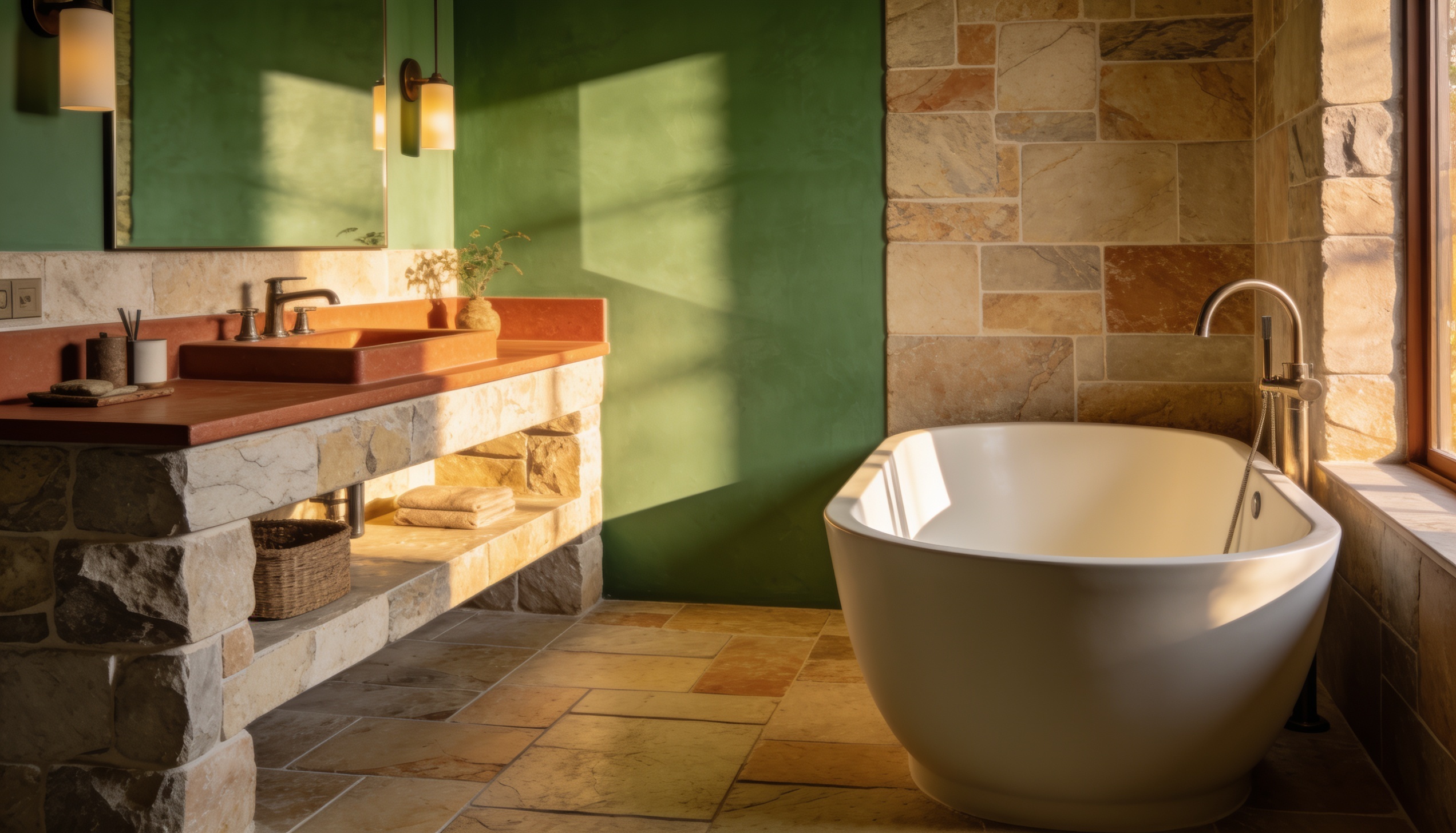
7 Ways Color Returns to Your Bathroom in 2026
Bathroom color trends in 2026: sage green, navy blue, and terracotta transform the bathroom from a sterile space into a corner of personality. Discover how to choose the right c...
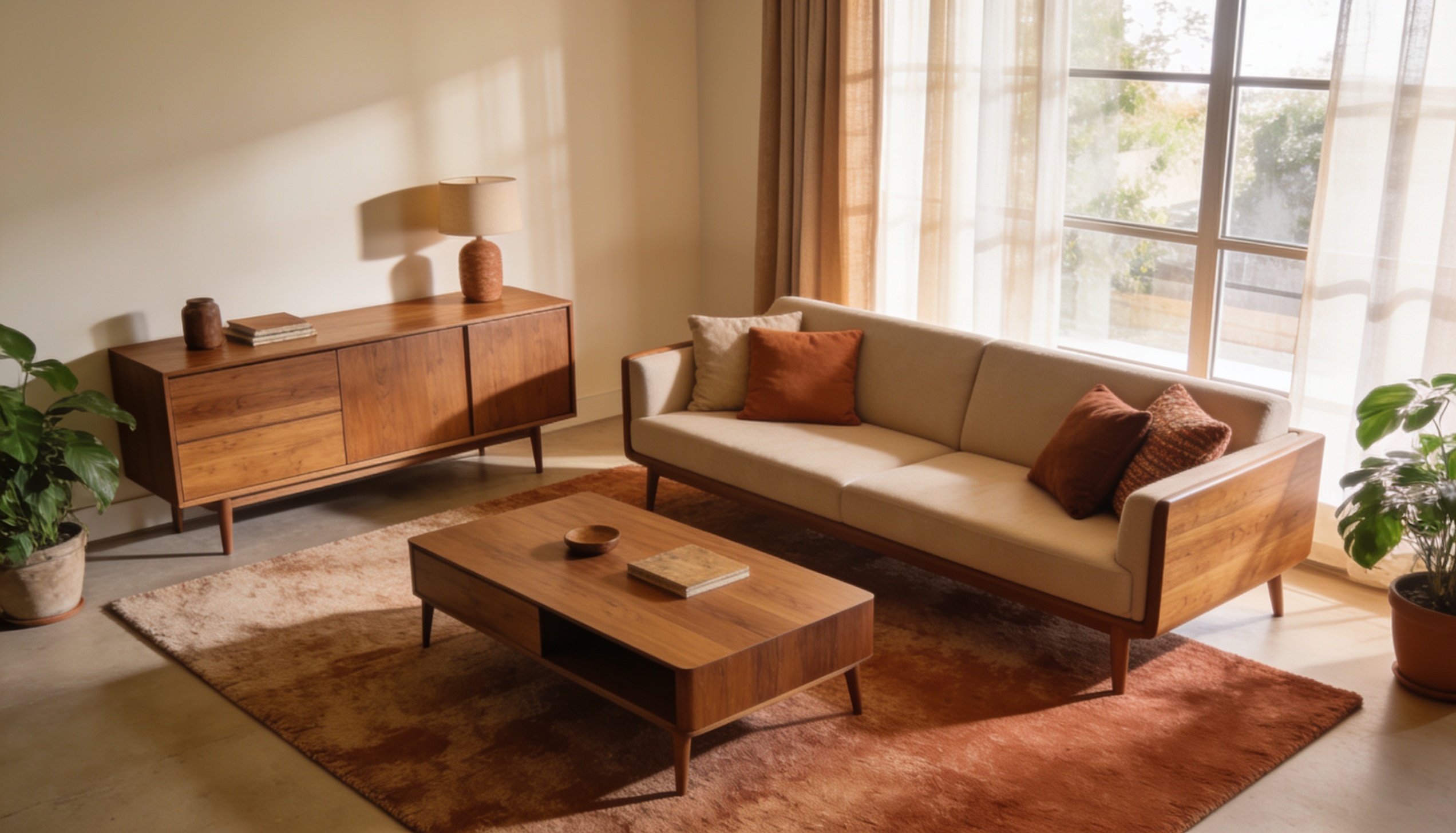
7 Signs Warm Minimalism Took Over Interior Design in 2026
Warm minimalism redefines interior design in 2026. Earth tones, rich textures, natural materials replace the cold aesthetic. Discover the 7 signs.
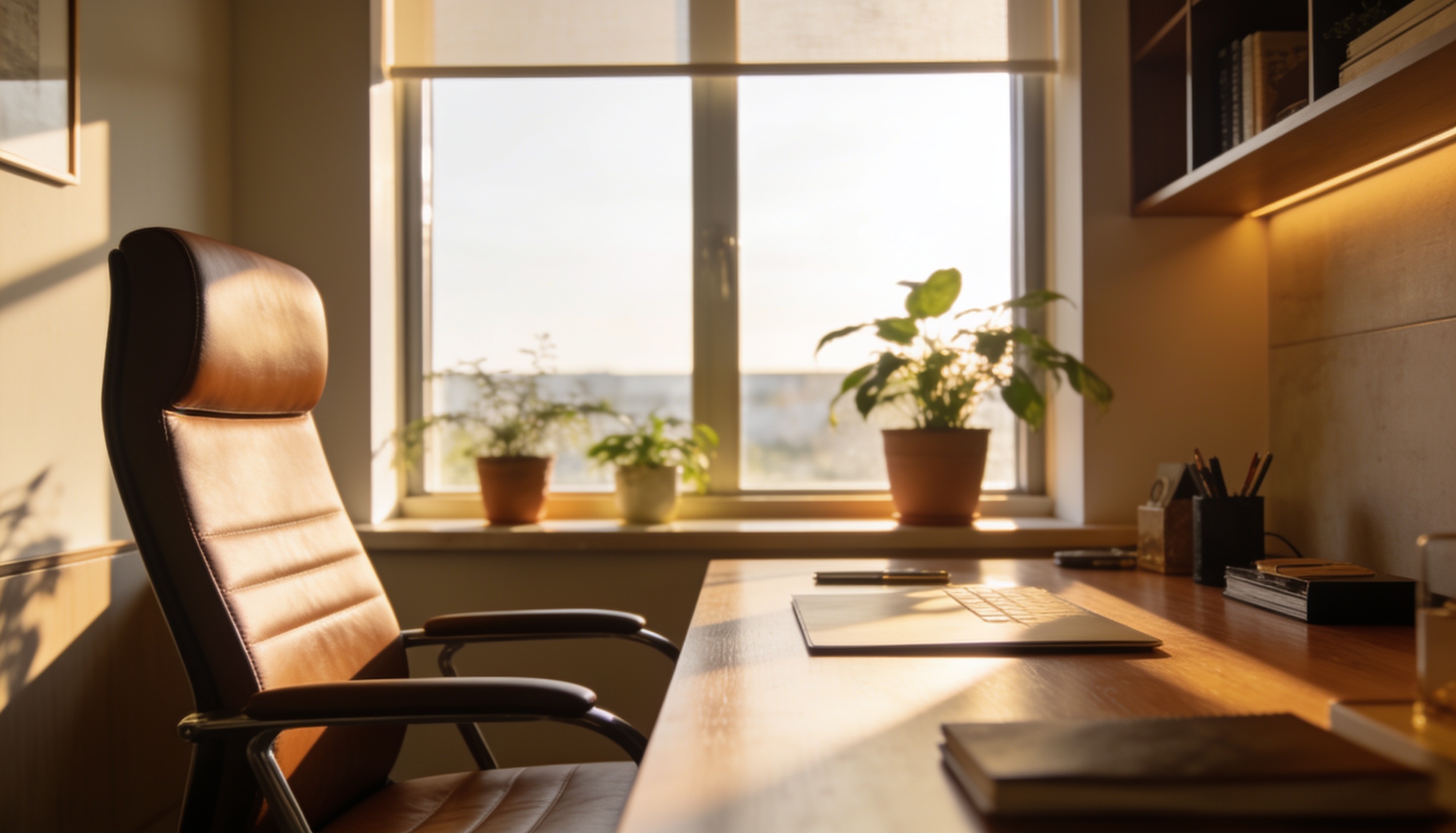
5 Visual Separation Methods Between Work and Relaxation at Home
Visual separation for your home office — 5 design methods that create visual boundaries between work and relaxation zones. Practical home office layout ideas.