7 Rules for a Bedroom That Helps You Sleep Better
Bedroom design for restful sleep — optimal temperature, relaxing colors, ambient lighting, and textile materials that turn your bedroom into a sleep sanctuary.
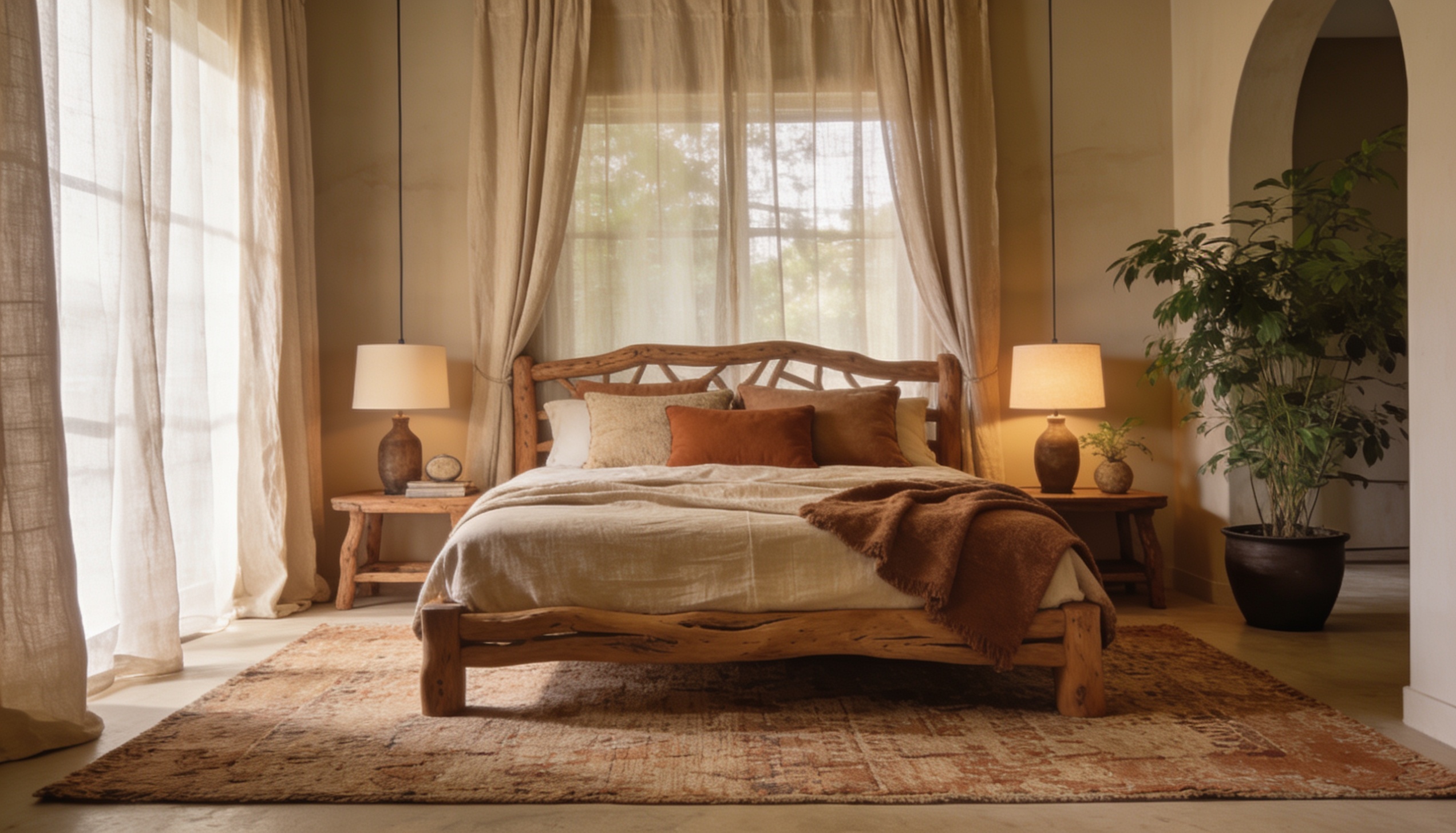
Your bedroom is more than a bed and a dresser. It is the room where you spend a third of your life. How you design it can make the difference between a restful night and one where you toss and turn until 3 AM. The good news is you do not need to change everything. A few simple things, backed by recent research and 2026 design trends, can turn your bedroom into a sleep sanctuary.
The Temperature That Prepares Your Body for Sleep
Before bed, your body lowers its internal temperature by about 1-2 degrees Celsius. This is a natural signal that triggers melatonin release. Sleep Foundation experts recommend a room temperature between 60 and 68 degrees Fahrenheit (15.6 to 20 degrees Celsius). The sweet spot is around 65 degrees Fahrenheit (18.3 degrees Celsius). It may feel cool, but it helps the body enter deep sleep stages more quickly. Body temperature reaches its lowest point toward morning, then gradually rises.
When the room is too warm, the body cannot cool down effectively. A study published in the Journal of Physiological Anthropology shows that high temperatures reduce time spent in REM sleep — the phase where you dream and the brain processes the day’s information. Deep sleep, which restores the body, also suffers. A few simple solutions: pull the blinds during the day to reduce heat buildup. Air out the room in the evening. If you have air conditioning, maintain a consistent temperature throughout the night.
Light That Puts You to Sleep or Keeps You Awake
The circadian rhythm, the body’s internal clock, depends on light. When it is dark outside, the brain produces melatonin, the sleep hormone. When it is light, it produces cortisol, the hormone that keeps you alert. The problem arises when artificial light, especially the blue light from phones and televisions, tricks the brain into thinking it is still daytime. A study published in Somnologie shows that exposure to artificial light in the evening can delay the circadian rhythm by up to 2-3 hours.
You do not have to give up technology entirely, but a few adjustments help a lot. Reduce ambient light at least one hour before bed. Use bulbs with a color temperature below 3000K — warm, yellowish light that does not inhibit melatonin. Install dimmer switches to adjust intensity in the evening. Invest in blackout curtains if there is too much street light outside. Keep your phone in another room or at least activate night mode. The right light not only helps you fall asleep faster but also improves your sleep quality throughout the night.
The Color That Steals or Gives You Sleep
The brain reacts to colors even when you are not consciously aware of it. An article published by Lovedeco explains that light blue is the color that best induces sleep. It is subconsciously associated with clear sky and calm water. This reduces heart rate and sympathetic nervous system activity. People who sleep in rooms with blue shades have longer periods of continuous sleep.
Sage green and pearl gray are also good options for bedding and walls. Architects recommend calm, natural palettes: warm beige, cream, pastel shades of blue or very light lavender. Bright colors like red or orange have a stimulating effect. They can keep the brain alert even in the evening. If you do not want to repaint the entire room, you can bring the right colors through bedding, decorative pillows, a comforter, or a rug. These are cheap, quick changes, and the effect on relaxation is noticeable from the first night.
Soft Textures and Materials That Do You Good
Interior design trends in 2026 bring rich textures and unapologetic comfort to the forefront. The bedroom is no longer just a functional space. It becomes a tactile environment where materials matter as much as appearance. Long-staple cotton sheets, natural linen, or silk have thermoregulating properties and a pleasant feel against the skin. A weighted blanket of 6-8 kilograms (13-18 pounds) can reduce anxiety and improve sleep quality through even pressure on the body — an effect experts compare to a deep hug.
The flooring matters too. A soft rug next to the bed, made of wool or organic cotton, visually warms the room. It reduces noise and provides a comfortable sensation when you step out of bed barefoot in the morning. Heavy natural-fabric curtains have a dual role: they insulate against sound and temperature, and their texture adds depth to the room. Textiles completely change the feel of a minimalist bedroom into a welcoming, warm space. It is a simple bedroom design step that makes an immediate difference.
The Noise You No Longer Hear
Noise pollution is an underestimated factor in sleep quality. A study published in Noise & Health shows that noise fragments sleep even at low levels. It causes unconscious awakenings that ruin your rest without you realizing it. A white noise machine or an app with nature sounds can mask disruptive noises. Rain, ocean waves, or forest sounds work well. A fan on low speed produces enough background noise to cover sudden sounds. If you live on a busy street, heavy drapes and a thick rug absorb some of the sound and noticeably quiet the room.
3 Common Mistakes That Ruin a Bedroom
First mistake: the television in the bedroom. Studies show that people who have a TV in the bedroom have more fragmented sleep and wake up less rested. The blue light and stimulating content activate the brain exactly when it should be relaxing.
Second mistake: clutter. Environmental psychology research shows that visual clutter increases cortisol levels. It keeps the brain in a state of subliminal alertness. A few minutes a day of tidying clothes, the desk, or the nightstand reduces evening anxiety and prepares the mind for rest.
Third mistake: ignoring smells. A stuffy bedroom does not invite relaxation. A few drops of lavender essential oil in a diffuser make a huge difference. So does opening a window for 10 minutes before bed. Fresh air brings in oxygen and clears the room of odors accumulated during the day.
A bedroom designed for sleep does not have to be expensive or complicated. The right temperature, warm light, calming colors, and a few pleasant textures completely transform how you sleep. Start with one change. Maybe the temperature or the curtains. And you will feel the difference from the first night.
Related posts

5 Visual Separation Methods Between Work and Relaxation at Home
Visual separation for your home office — 5 design methods that create visual boundaries between work and relaxation zones. Practical home office layout ideas.
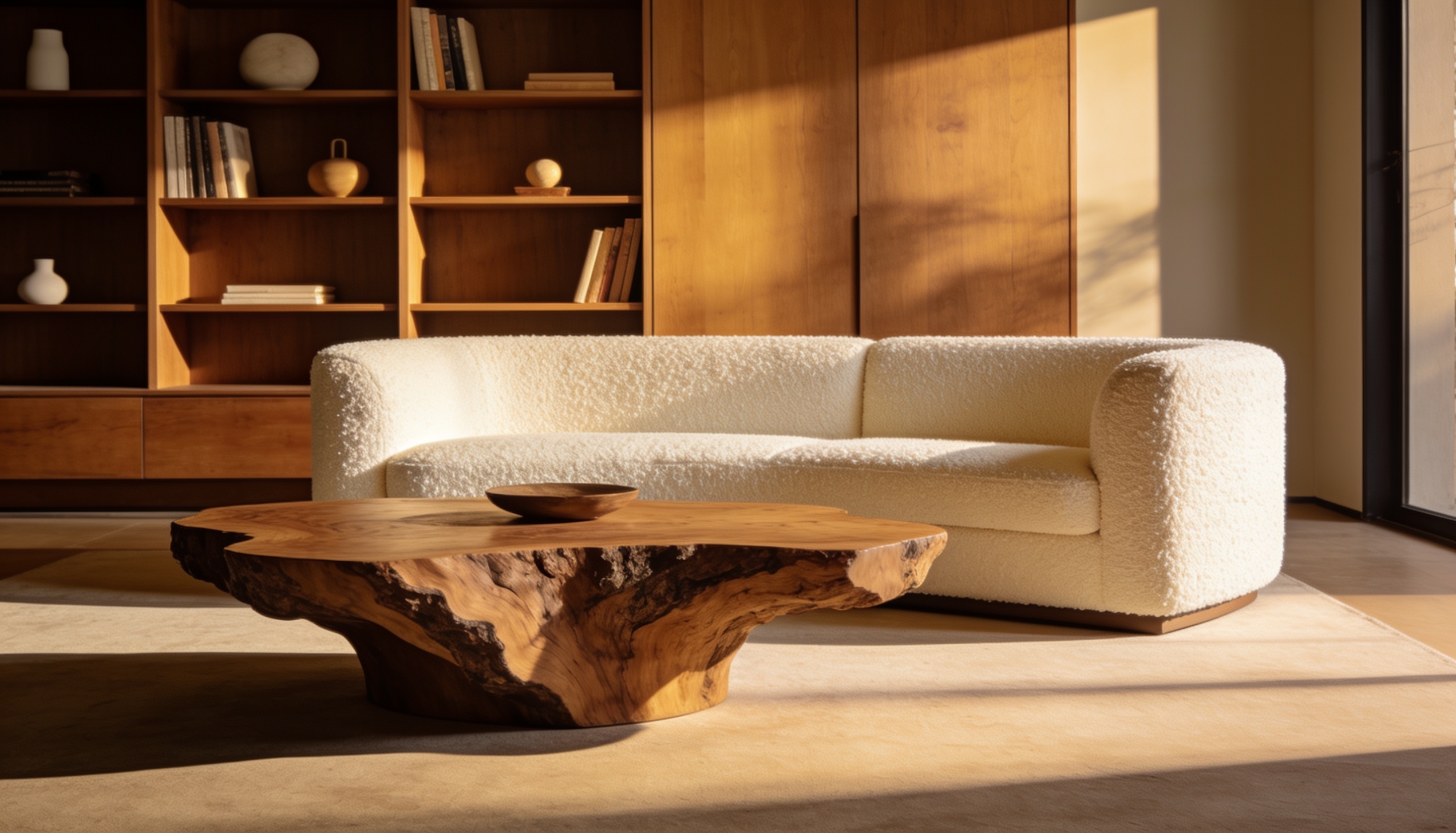
7 Furniture Trends 2026 That Turn Your Home into a Sanctuary
Furniture trends 2026 — curved pieces, natural materials, and modular furniture for an authentic home. Discover how to transform your living space.

Want a Blooming Garden All Summer Without Daily Watering?
Preparing your garden for summer 2026: drought-resistant plants, smart watering, and mulching for a garden that thrives without daily effort.