Circadian Lighting: 5 Reasons to Switch to Dynamic Light in Your Home
Circadian lighting adjusts light temperature throughout the day to improve sleep, mood, and productivity. Learn how it works and why it is worth installing.
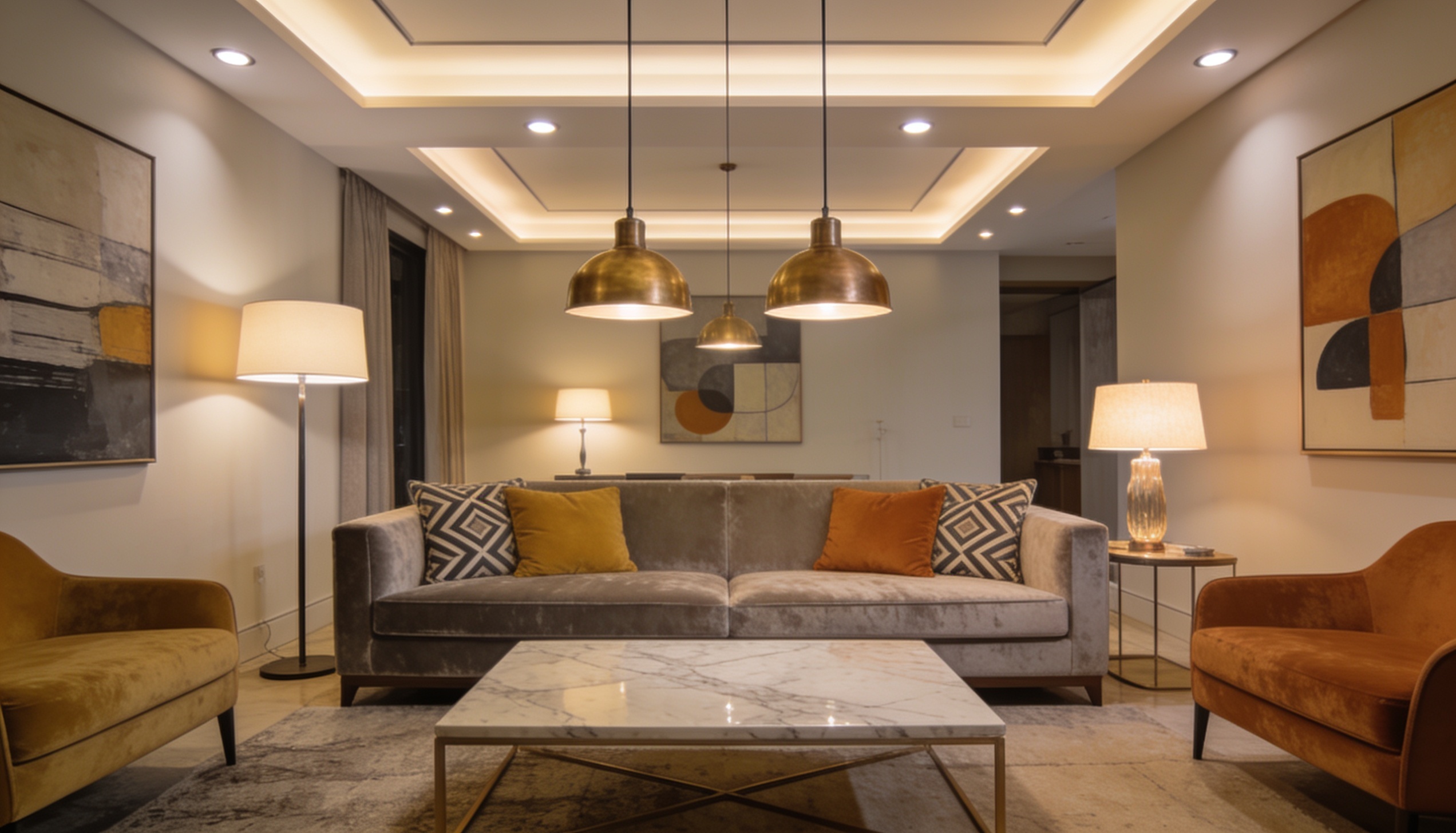
Have you ever wondered why waking up is harder in winter but you jump out of bed before the alarm in summer? Or why you feel more relaxed under the warm glow of a lamp in the evening than under a cold office fluorescent? The answer lies in something interior designers and sleep specialists call circadian lighting — a system that mimics natural light throughout the day.
What circadian lighting means and how it works
Your body has an internal clock called the circadian rhythm. For millions of years, the sun calibrated it: cool, blue-ish morning light tells you “wake up,” while warm, orange evening light signals “get ready for sleep.” Your brain produces or stops producing melatonin — the sleep hormone — based on the light it sees.
The problem is that instead of the sun, your home has light fixtures that do not distinguish between day and night. A standard 4000K (neutral) bulb looks the same at 8 AM as it does at 10 PM. And that confuses your body. Circadian lighting shifts color temperature and intensity throughout the day: cool light in the morning (5000–6500K), neutral in the afternoon (3500–4000K), warm in the evening (2200–2700K). It all happens automatically, without you touching a single switch.
Researchers at the Sleep Foundation have documented that proper light exposure throughout the day improves sleep quality by up to 30% in people who spend most of their time indoors.
5 reasons to install circadian lighting in your home
1. You fall asleep easier and wake up more rested
When your home lighting shifts to warm tones in the evening (below 2700K), your brain gets the signal that the sun is setting and starts producing melatonin. According to data published by the National Sleep Foundation, participants who used dynamic lighting fell asleep an average of 25 minutes faster than those who stayed under standard lighting.
In the morning, the reverse happens: a cool bulb (5000K+) sends a “sun is up” signal and stops melatonin production. You wake up more easily, without that groggy feeling that lingers after poor sleep.
2. Your mood improves noticeably
Light influences serotonin, the happiness hormone. Lack of natural light in the cold season is one of the causes of seasonal affective disorder — many people experience its symptoms during winter months.
Circadian lighting does not replace the sun, but it narrows the gap. In the morning, cool light helps you feel more alert and optimistic. In the evening, warm light relaxes you and reduces the anxiety accumulated throughout the day.
3. Productivity goes up — especially if you work from home
If your desk is in the living room or in a room without enough natural light, you know how hard it is to stay focused after 3 PM. Circadian lighting for your home office keeps the color temperature high (5000K) during working hours and gradually lowers it in the afternoon. Studies in the field show that employees working under dynamic light are about 18% more productive and make fewer mistakes than those under standard lighting.
4. Children and teenagers benefit the most
Children’s circadian rhythms are more sensitive than adults’. Blue light from screens and bulbs in the evening suppresses their melatonin production much more strongly. A lighting system that automatically shifts to warm light after 6 PM helps kids fall asleep on time — without arguments and without them feeling like they are missing out.
5. Your electricity bill goes down
Circadian lighting fixtures run on LED, the most efficient bulb type available in 2026. A variable-temperature LED bulb consumes between 8 and 15W, compared to 40–60W for an incandescent bulb producing the same amount of light.
In an average home with 20 light fixtures, switching to circadian LEDs means saving 300–500 kWh per year. At current energy prices, that is $40–80 saved annually.
How to install circadian lighting — simple, without breaking walls
The good news is you do not need to rewire your entire house. There are three ways to make the transition:
- Smart bulbs with adjustable color temperature — replace your existing bulbs and program them from an app. A quality bulb costs $10–20 and lasts 15,000–25,000 hours.
- LED strips with circadian control — ideal behind your desk, TV, or under kitchen cabinets. They create a pleasant ambient effect and consume very little.
- Full lighting system — ceiling fixtures and wall lights with a built-in circadian driver. More expensive upfront but offers the best experience and most even light throughout the room.
Specialists recommend starting with the bedroom and home office — these are the rooms where circadian rhythm matters most. Then expand to the living room and kitchen.
3 mistakes to avoid when switching to circadian lighting
One — buying bulbs with a fixed color temperature and thinking you can simulate the change manually. If you do not set cool in the morning and warm in the evening yourself, you will forget after two days. You need automation, otherwise it does not work.
Two — ignoring the color temperature of different fixtures in the same room. If you have a chandelier with warm light and an LED strip with cool light right next to it, your brain receives conflicting signals. All fixtures in the same room must follow the same circadian curve.
Three — thinking any colored LED bulb does the same thing. A cheap RGB bulb can produce red or blue light, but not the correct white temperature. Look for bulbs labeled “tunable white” or “CCT adjustable” — they vary between 2200K and 6500K, exactly what you need. If you want to see how lighting combines with other design elements, check out our guide to cozy living rooms.
What is next for lighting in your home
In 2026, the circadian lighting market is booming. Major manufacturers have understood that people no longer want just bulbs that turn on and off — they want light that adapts to their lives. The recently launched Matter protocol lets any light fixture communicate with any smart home system, regardless of brand. That means the choice you make today will be compatible with what you buy in 2–3 years.
Light has always been the most powerful regulator of your biological rhythm. Now, for the first time, you can control it in your home as precisely as the sun does outside. And that is not just a design trend — it is perhaps the simplest investment you can make in your daily health. No pills, no devices, no effort. Just the right light at the right temperature, at the right time. If you want to learn how to transform your whole home with small changes, read our article on warm minimalism in design.
Related posts
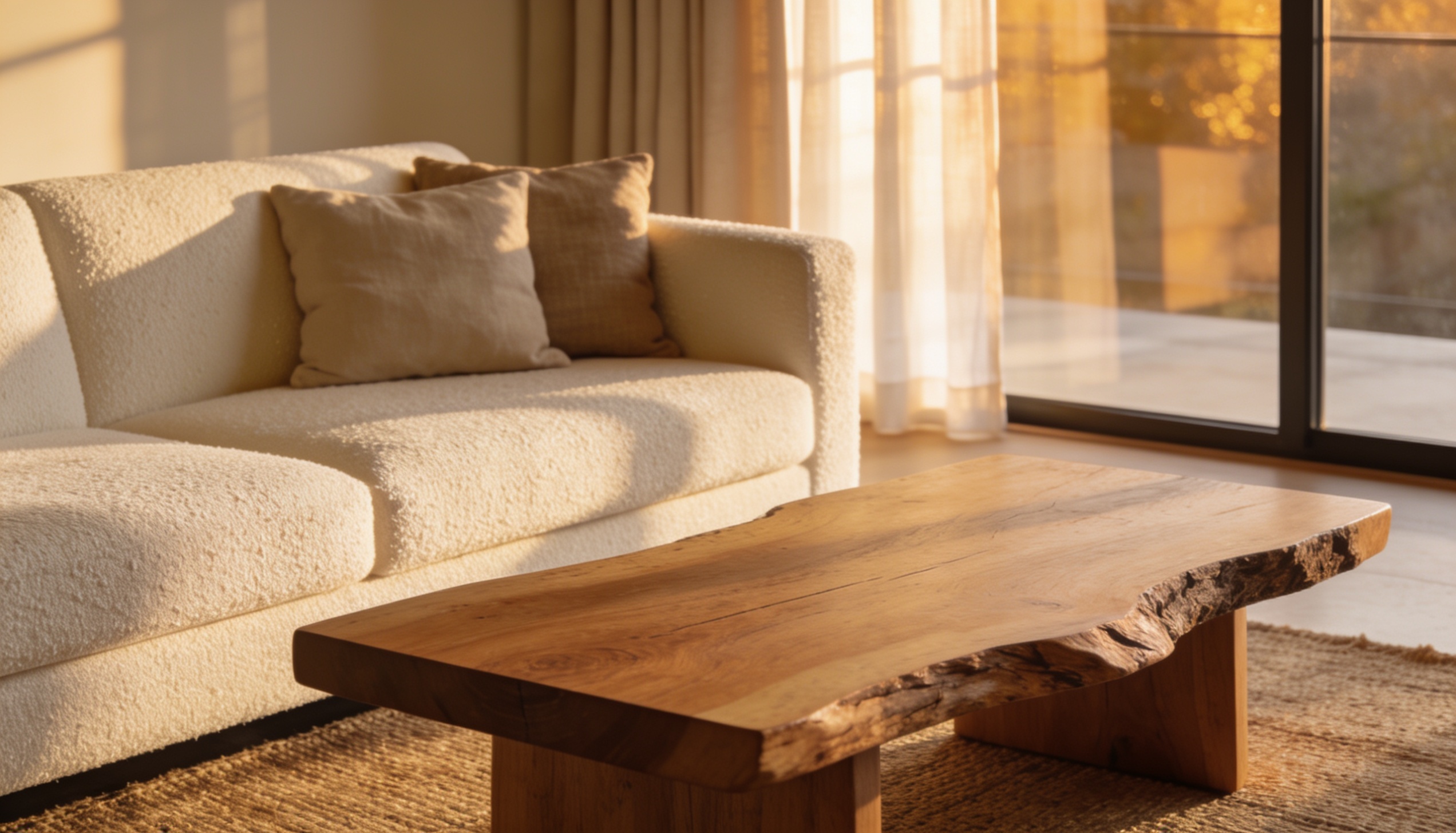
Cozy Living Room in 2026: Bouclé, Velvet, and Natural Textures
Living room design in 2026 — warm minimalism trends, natural textures (bouclé, velvet) and earth tones. Practical ideas for a living room that invites you to stay.

5 Visual Separation Methods Between Work and Relaxation at Home
Visual separation for your home office — 5 design methods that create visual boundaries between work and relaxation zones. Practical home office layout ideas.
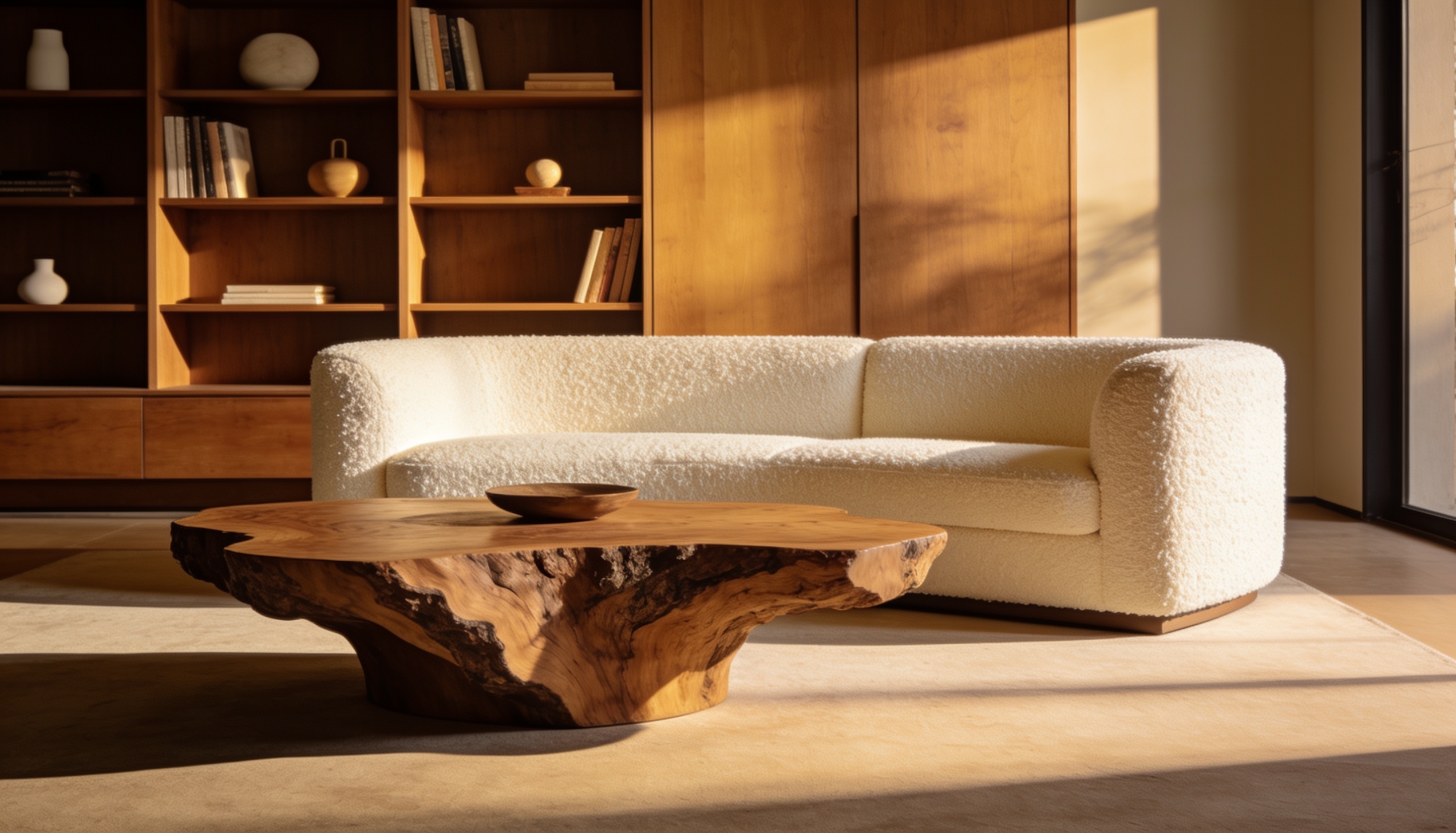
7 Furniture Trends 2026 That Turn Your Home into a Sanctuary
Furniture trends 2026 — curved pieces, natural materials, and modular furniture for an authentic home. Discover how to transform your living space.