7 Signs Warm Minimalism Took Over Interior Design in 2026
Warm minimalism redefines interior design in 2026. Earth tones, rich textures, natural materials replace the cold aesthetic. Discover the 7 signs.
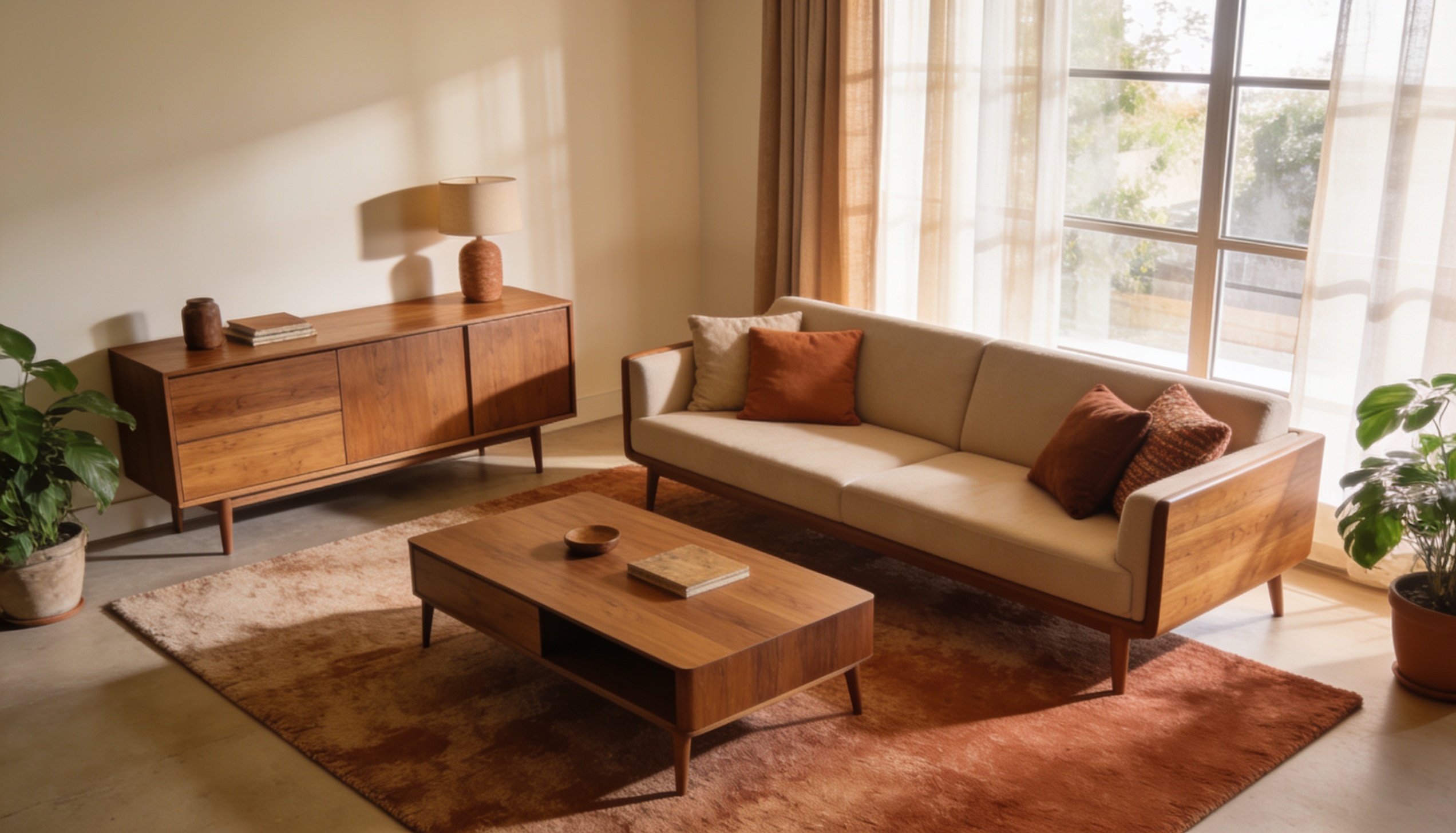
You walked into a room recently and felt something was missing, even though the walls were white and the sofa was brand new? Chances are it lacked warmth. After a decade of cold minimalist design — white walls, concrete, harsh lines — 2026 brings a major shift. Warm minimalism puts people back at the center of the space. It brings earth tones, textures that invite touch, and materials that age beautifully. Here is how to recognize the new wave.
Why Cold Minimalism Gave Way
Classic minimalism started as a reaction to the cluttered decor of the 2000s. It served its purpose: it taught us to breathe in our homes. But cold white spaces with furniture that looked straight out of a showroom ended up feeling like an art gallery, not a lived-in home.
Analysis on Igloo shows that people are looking for spaces with personality, not just well-arranged ones. At Designboom, major 2026 design fairs were dominated by textured pieces in warm colors. Domus describes the trend clearly: we are moving from design for the eyes to design for the senses. Homes are becoming personal sanctuaries, not display windows.
7 Signs Warm Minimalism Has Arrived
1. White walls give way to earth tones
Sage green, terracotta, navy blue, plum: these are the colors now appearing in living rooms and bedrooms. They are not loud shades, but colors that embrace you. A wall painted sage green feels completely different from a white one.
2. Glossy MDF loses to solid wood
Glossy white cabinets are being replaced by wooden pieces with visible texture: brushed oak, American walnut, reclaimed wood. Each piece is unique because solid wood has knots, pores, and color variations that no veneer can imitate.
3. Sofas break free from gray and white
Sofas take on shades of terracotta, burnt earth, or olive green. Textures matter: bouclé, velvet, rustic linen. A bouclé sofa in beige or terracotta looks comfortable even before you sit down.
4. Untreated wood and raw stone enter the home
Wood kitchen countertops, solid oak dining tables, natural stone surfaces. Materials that feel real are preferred over synthetic ones. Tadelakt appears on shower walls, microcement on bathroom counters.
5. Texture matters as much as color
A textured wall (decorative plaster, wood, stone) says more than a perfectly smooth one. Wool cushions, organic cotton throws, natural wool rugs bring tactile warmth. The room becomes a space you want to touch.
6. Furniture tells stories, not just fills space
An old table from grandma, a solid wood sideboard found at a flea market, a handcrafted lamp. Pieces with history are more appreciated than ever. Design websites increasingly discuss furniture with character.
7. Lighting becomes warm and layered
Cool LEDs are replaced by warm strips at 2700-3000K. Floor lamps with fabric shades create pools of light. Instead of a single ceiling fixture that illuminates the whole room evenly, 3-4 light sources appear at different heights.
Natural Materials Drive the Change
If cold minimalism meant steel, glass, and plastic, warm minimalism brings wood, clay, and stone to the forefront. It is not just an aesthetic choice but a functional one. Solid wood lasts for decades, can be repaired and refinished. Natural stone, such as travertine or basalt, develops a beautiful patina over time, unlike composite materials that degrade uniformly.
Tadelakt, a traditional Moroccan technique of waterproof plaster, has become a sought-after material for bathrooms and kitchens. It is warm to the touch and lacks the cold grout lines of ceramic tiles. Applied by experienced craftsmen, it lasts for decades without deteriorating. Microcement, applicable over almost any existing surface, is the preferred solution for renovations without demolition. It costs between $20 and $40 per square meter applied, depending on complexity.
Thermally modified wood is another newcomer. Through heat treatment at over 200 degrees, the wood becomes resistant to moisture and insects without needing varnishes or paints. It is perfect for terraces, bathrooms, and kitchens. Sintered stone is a composite material made from natural minerals pressed at high temperatures. It competes with quartz countertops: it is more resistant to scratches and heat. Prices start at around $200 per linear meter.
Prices for natural materials have remained stable in 2026. A solid oak kitchen countertop starts at approximately $150 per linear meter. Local natural stone suppliers offer travertine slabs at competitive prices with imported porcelain tiles.
How to Apply Warm Minimalism Without Turning Your Home into a Construction Site
Start with one wall. Choose a wall in your living room or bedroom and paint it a warm shade: sage green, light terracotta, navy blue. A can of quality paint costs between $25 and $40, enough for 10-12 square meters.
Swap your textiles. Replace thin curtains with linen or heavy cotton drapes. Add a knitted throw on the sofa and two velvet or bouclé cushions. This is the quickest, cheapest change: for under $120 you can completely transform a room’s atmosphere.
Choose pieces with character. Before buying a new cabinet, ask yourself: would I be proud to show this off in 10 years? The answer separates statement pieces from disposable furniture.
Control the light. Replace cold bulbs with warm ones (2700K). Add a floor lamp with a fabric shade and a table lamp. Three light points at different heights instantly create an inviting atmosphere.
Don’t buy everything new. The most authentic way to adopt warm minimalism is to mix new pieces with old, inherited, or found ones. A restored dresser next to a modern sofa: that is the combination that gives a space personality.
Mistakes That Turn Warmth into Clutter
Thinking all warm colors go together. Terracotta with mustard yellow and dusty pink can create a chaotic effect. Choose a maximum of two warm colors and repeat each in 2-3 elements.
Filling every corner with stories. Warm minimalism remains minimalist. The difference is that the chosen pieces have personality, not that you have added decor upon decor. One statement sofa is enough.
Confusing texture with clutter. Bouclé on the sofa, wool on the floor, and velvet on the cushions is warm. The same materials plus six decorative pillows, three overlapping rugs, and a macrame on the wall is too much.
Choosing cheap imitation materials. Laminate that mimics solid hardwood, faux leather, polyester that imitates linen: all ring false. Better one good piece than three that look expensive from a distance.
The transition from cold minimalism to warm minimalism is not about buying different things — it is about choosing with intention. It is a mindset shift: your home can be a personal sanctuary, not a catalog page. Check out more interior design trends on our blog.
In 2026, warm minimalism is not just a trend — it is a healthier way to live. Your space should feel like you. Comfortable, authentic, alive.
Related posts
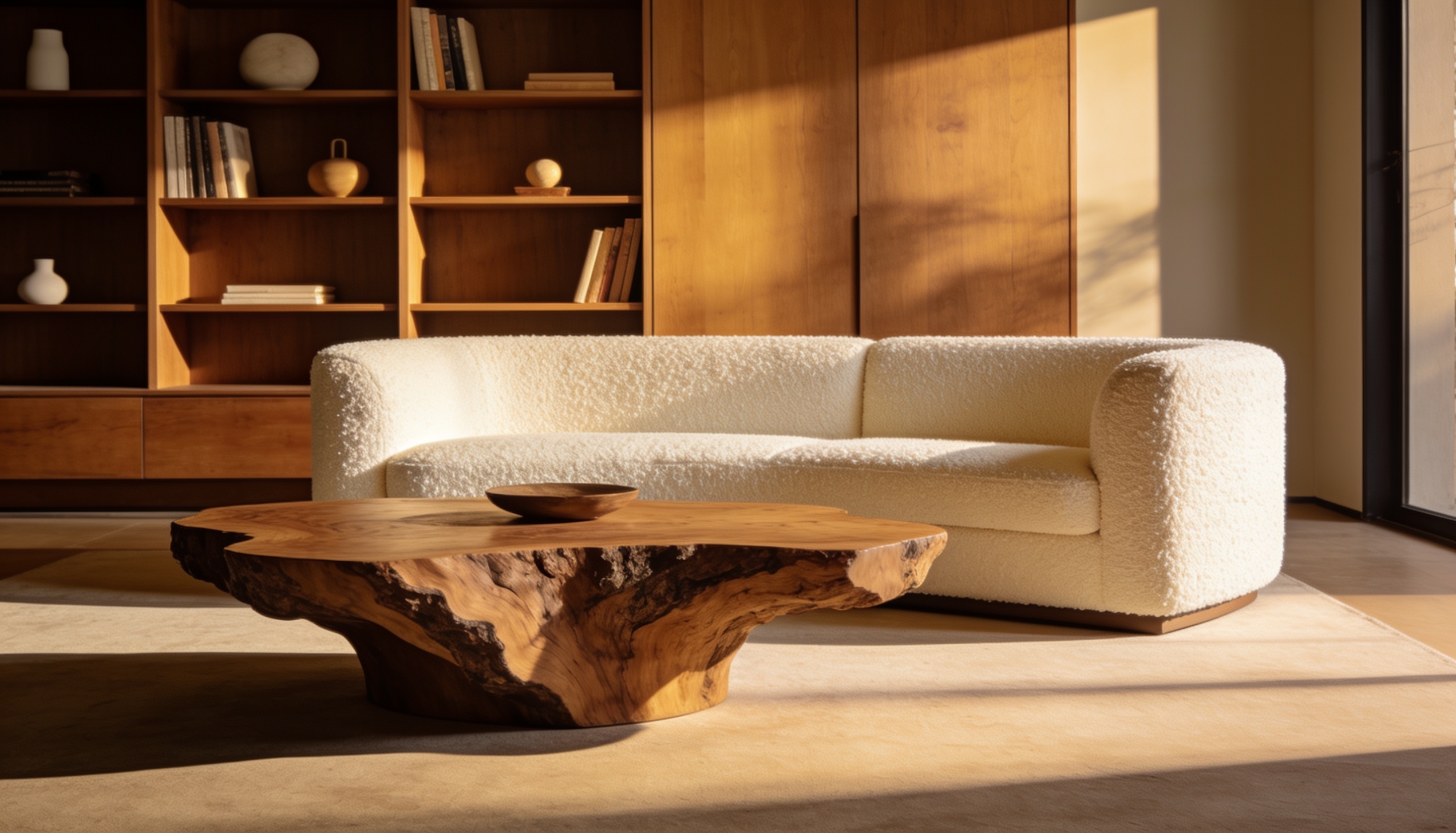
7 Furniture Trends 2026 That Turn Your Home into a Sanctuary
Furniture trends 2026 — curved pieces, natural materials, and modular furniture for an authentic home. Discover how to transform your living space.
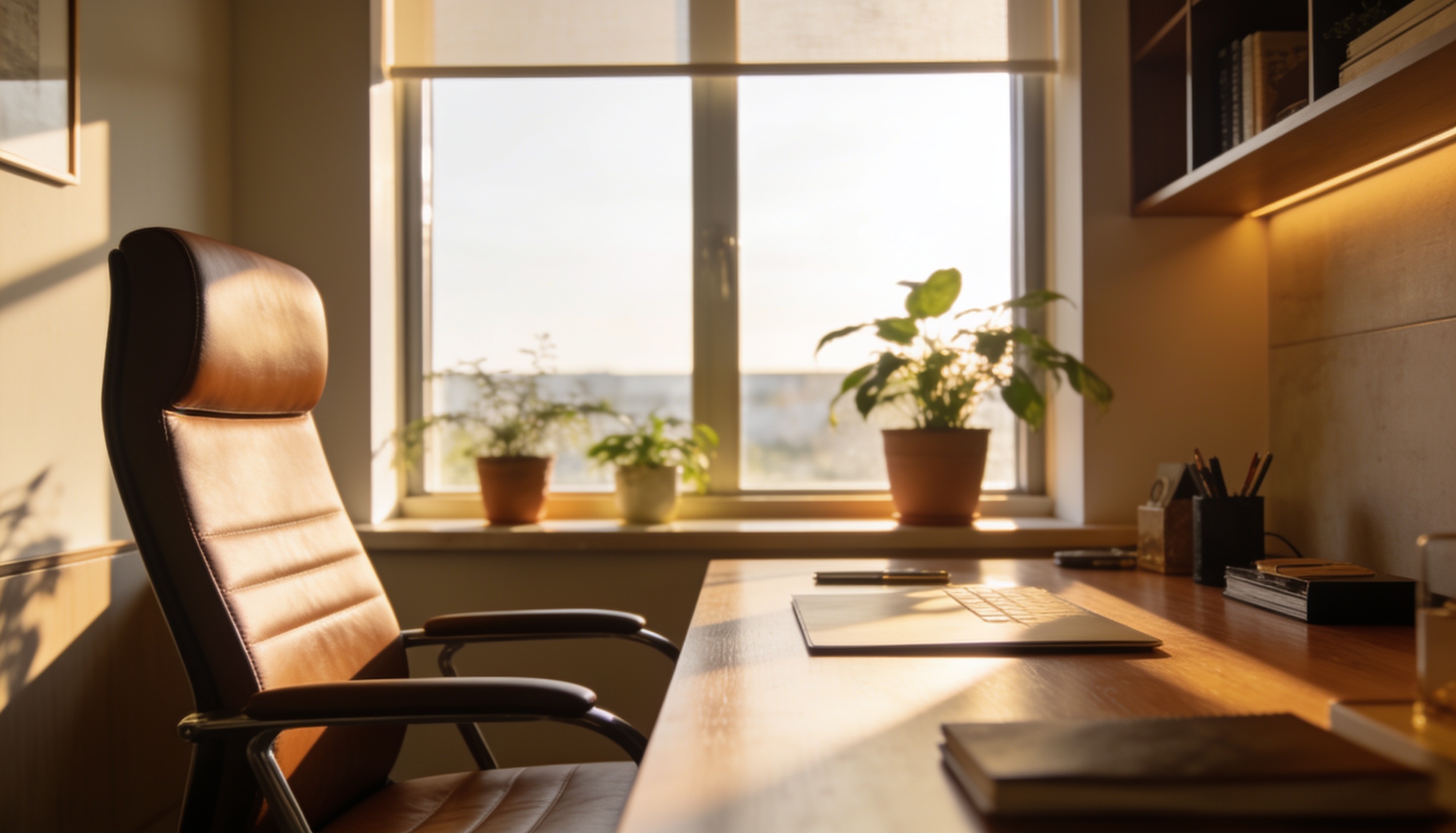
5 Visual Separation Methods Between Work and Relaxation at Home
Visual separation for your home office — 5 design methods that create visual boundaries between work and relaxation zones. Practical home office layout ideas.
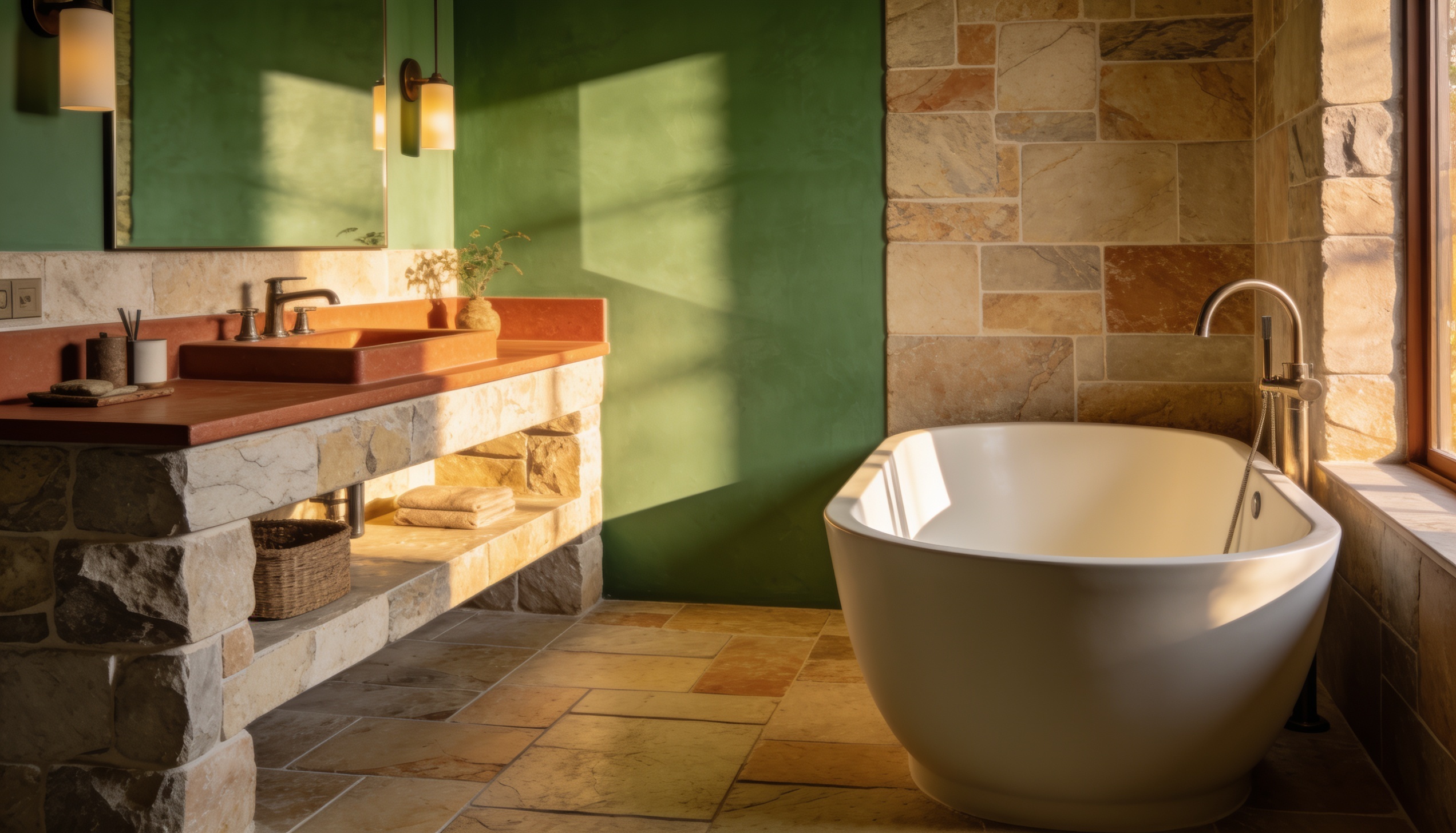
7 Ways Color Returns to Your Bathroom in 2026
Bathroom color trends in 2026: sage green, navy blue, and terracotta transform the bathroom from a sterile space into a corner of personality. Discover how to choose the right c...