Cozy Living Room in 2026: Bouclé, Velvet, and Natural Textures
Living room design in 2026 — warm minimalism trends, natural textures (bouclé, velvet) and earth tones. Practical ideas for a living room that invites you to stay.
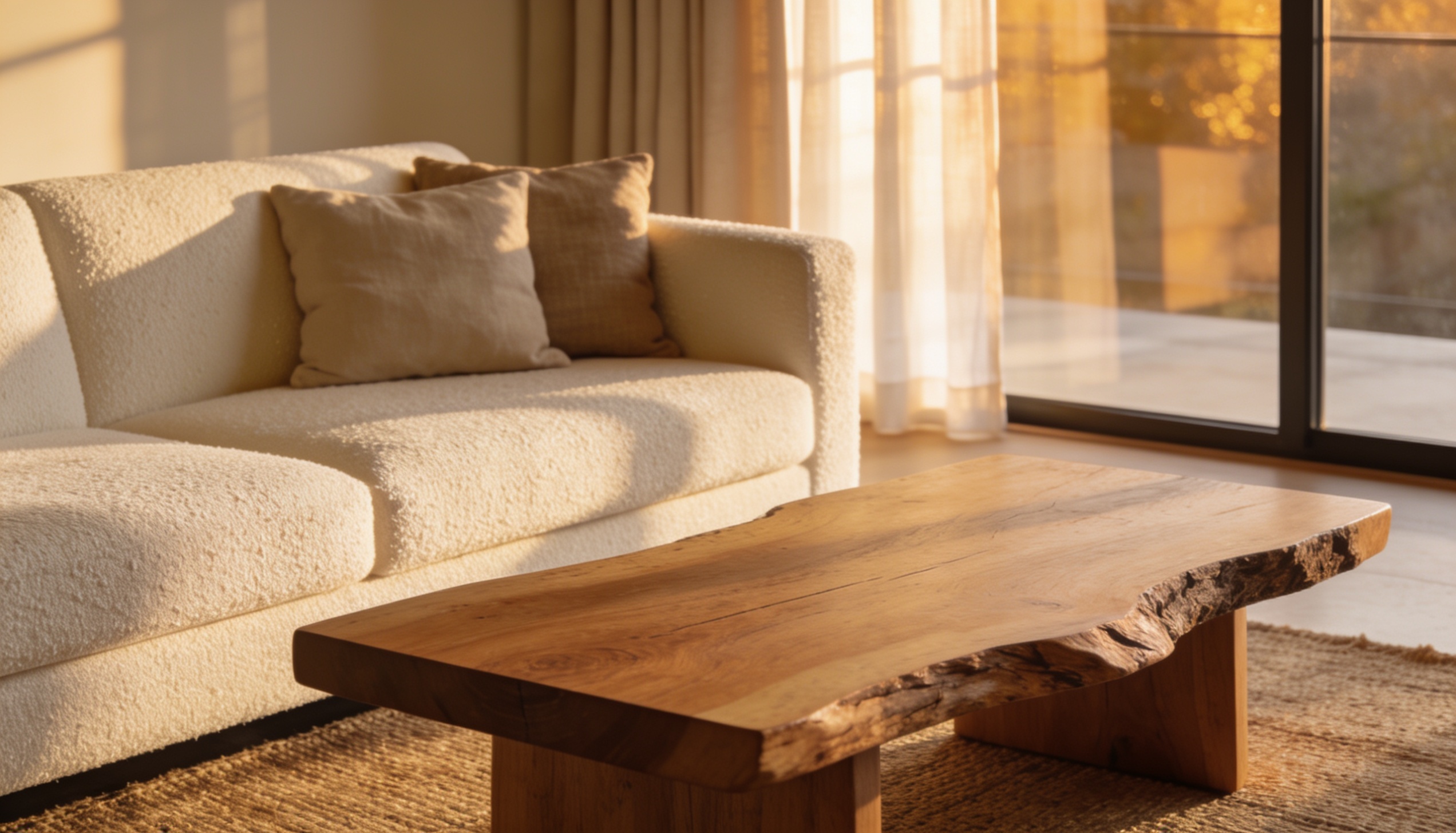
Tired of the minimalist, cold, sterile living room? White walls, gray sofa, nothing on the walls. Good news: the main trend in living room design for 2026 is warm minimalism. You keep the clean lines but bring warmth through textures, natural materials, and earth tones. Bouclé, velvet, linen, and solid wood are the stars. Here is what this looks like in practice and how to transform your living room without breaking the bank.
Warm Minimalism: What It Actually Means
It is not just a name cooked up by trend agencies. It is a natural reaction to years of “total white” and “chilly Scandi.” You look around and want to feel good in your home, not live in a showroom. Warm minimalism keeps the visual order of minimalism — no clutter, no useless knick-knacks — but brings in textures that invite touch.
The difference lies in materials. Instead of glossy plastic and cold metal, you use unlacquered wood, natural stone, organic cotton, linen, wool. The sofa is no longer suede or microfiber but bouclé, that fluffy material with an irregular weave that looks like a thick wool sweater yet is durable and elegant.
A recent article in Livingetc shows that Scandinavian design itself is redefining in 2026, abandoning sterile white in favor of warm tones of white, beige, earth, and deep greens. So even the Swedes, the parents of minimalism, are switching to the “cozy” version. Instead of white walls and harsh lines, you now see light-colored wood, fluffy textiles, and furniture pieces with rounded shapes that invite you to sit down.
Bouclé and Velvet: The Materials Defining the Living Room This Year
Bouclé is everywhere in 2026. It is not a passing fad but a return to authentic textures. Bouclé sofas dominate design collections. The upside? They look good, feel great to the touch, and hide fingerprints and wear marks wonderfully. The downside? They stain harder to clean, so avoid white versions if you have small kids or pets.
Velvet has made a strong comeback after years of being considered “too vintage.” The difference is that it is no longer the thick, heavy velvet from grandma’s time. It is a thinner, more elastic velvet in natural colors: deep green, petrol blue, terracotta, chocolate brown. It looks great on armchairs, decorative cushions, and even curtains.
Caminul Magazine emphasizes that these textures do not work individually but in combination. A beige bouclé sofa next to an emerald green velvet armchair and a solid wood coffee table creates a natural visual balance. You do not need more than 4-5 well-chosen pieces. The key is to let each material breathe: do not cram them all next to each other, leave space between them so each one stands out.
How to Combine Materials Without Visual Clutter
The golden rule of warm minimalism: variety in textures, not in colors. If you use 4-5 different materials in the same shade, the room looks complex and interesting without being busy. If you use 4-5 colors in the same material, you get a chaotic effect.
Here is how to arrange textures in the living room:
- On the sofa: bouclé, wool, or thick linen. The centerpiece, textured and neutral
- On armchairs: velvet or suede. Provides contrast with the sofa texture
- On the floor: a hand-woven wool or cotton rug. Adds warmth and sound insulation
- At the window: linen or silky velvet drapes. Depends on how much light you want to filter
- On the walls: solid wood, microcement, or textile wallpaper. Instead of flat washable paint
An analysis in Designist shows that living rooms arranged with this principle — variety of textures and a restricted color palette — feel more spacious and better proportioned than rooms with matched furniture but no texture. It is not about how much money you spend but how you choose your materials.
The Color Palette: Earth, Rust, and Deep Green
Living room colors in 2026 are inspired by nature. Sandstone, terracotta, ochre, deep forest green, slate blue, chocolate brown. These shades work in any combination because they belong to the same natural palette. Add cream-white and sand-beige as neutrals.
If you have white walls, bring color through statement pieces. A deep green velvet armchair or a solid walnut coffee table. If you already have dark furniture, go for walls painted in warm white tones — not pure white, but white with a hint of ochre or beige.
The rug is the piece that ties everything together. In 2026, statement rugs are back: simple geometric patterns, earth tones, thick wool weave. No more thin, nearly invisible rugs. It is a design element that defines the social area and visually separates the living room from the dining area, especially in open-plan apartments.
The same goes for curtains. Instead of metal blinds or plastic shades, designers recommend long drapes in linen or thin velvet that fall to the floor. They not only combine thermal comfort with aesthetics but also create a sense of height and elegance. Choose them in the same color range as the living room for a unified effect.
Three Common Mistakes in Textured Living Room Design
First: accumulating too many textures without a plan. Bouclé, velvet, leather, wood, marble, steel, glass, all in the same room. The result is visual conflict, not harmony. Choose a maximum of 4 textures and stick to them.
Second: forgetting about lighting. Textures only come alive when well lit. A bouclé sofa looks fantastic in the side light of a floor lamp but looks like a beige lump under a ceiling neon. Invest in 3-4 light sources: a chandelier or ceiling fixture for general light, a floor lamp for the sofa area, and a table lamp for the reading corner.
Third: choosing hard-to-maintain materials in high-traffic areas. Bouclé on dining chairs or on the sofa where you eat popcorn daily is a bad idea. Reserve delicate textures for “viewing” zones, and in daily-use areas go with practical, washable materials.
The comfort of a living room does not come from how much you spend but from how you choose each piece. Four well-chosen materials, a color palette you love, and proper lighting. These are the ingredients of a living room that truly works in 2026. Do not copy what you see in magazines; adapt the trends to your space, to how you actually live. A velvet armchair where you read in the evening does more for your well-being than three design pieces you never use.
Related posts
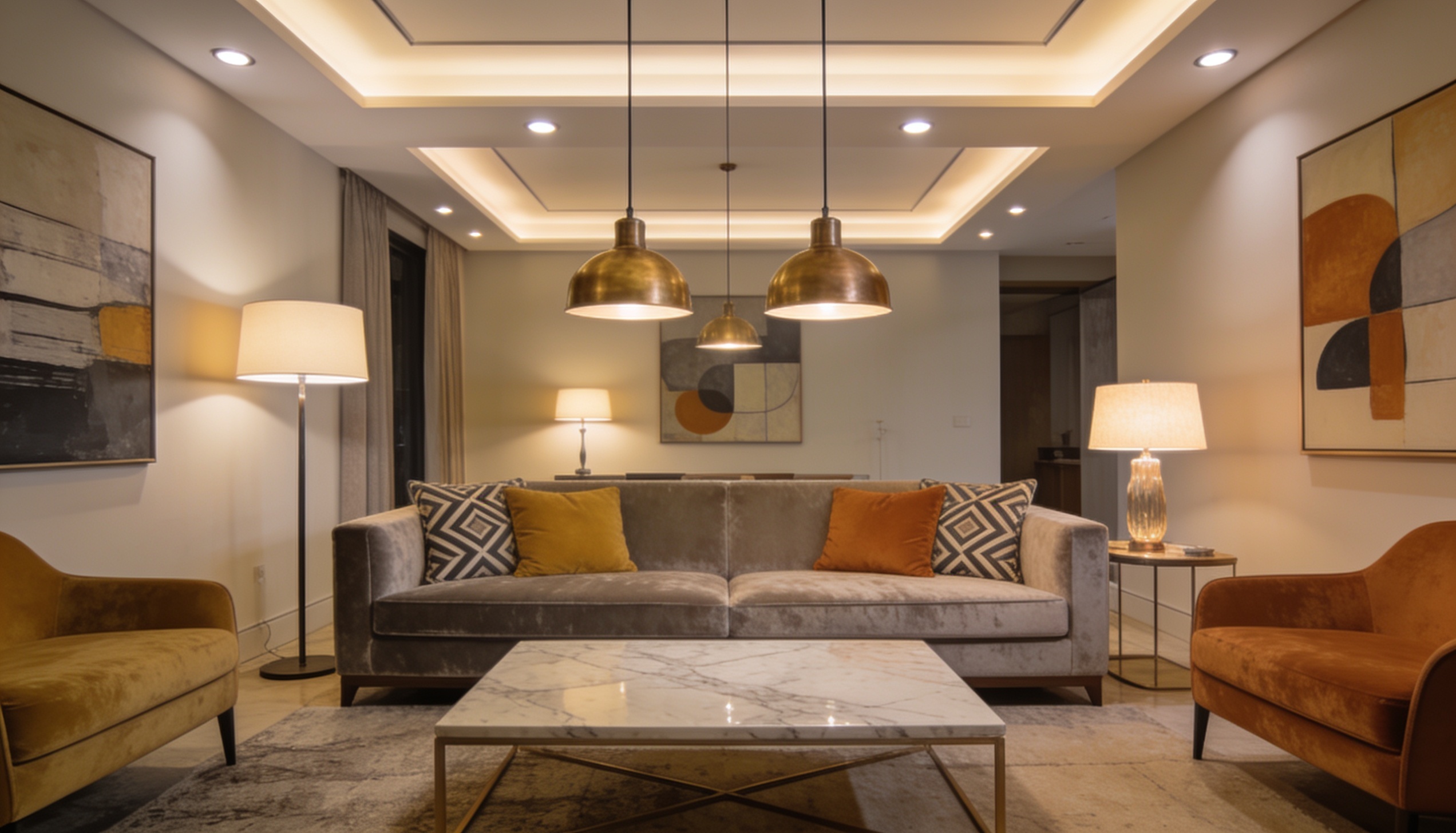
Circadian Lighting: 5 Reasons to Switch to Dynamic Light in Your Home
Circadian lighting adjusts light temperature throughout the day to improve sleep, mood, and productivity. Learn how it works and why it is worth installing.
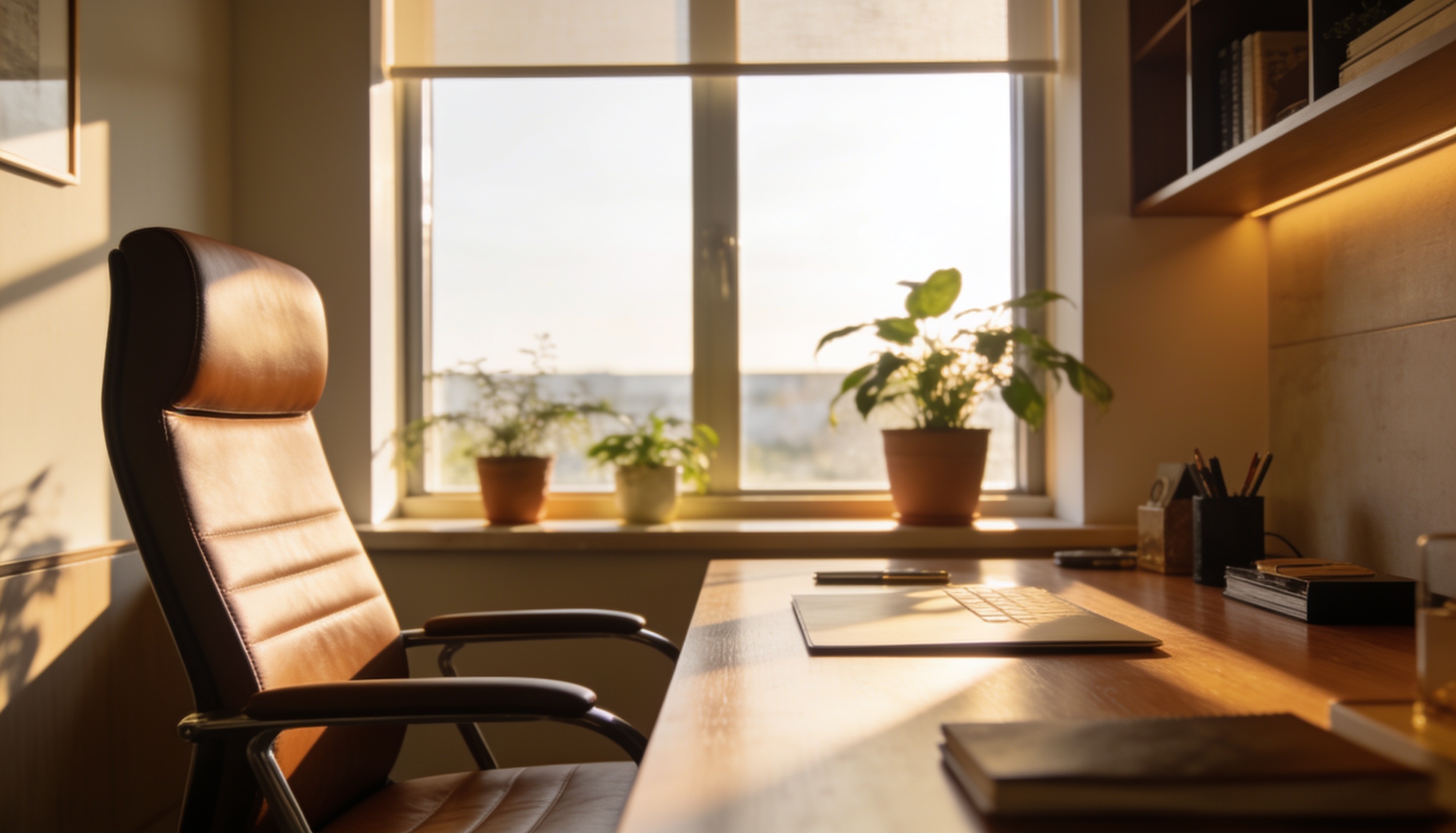
5 Visual Separation Methods Between Work and Relaxation at Home
Visual separation for your home office — 5 design methods that create visual boundaries between work and relaxation zones. Practical home office layout ideas.
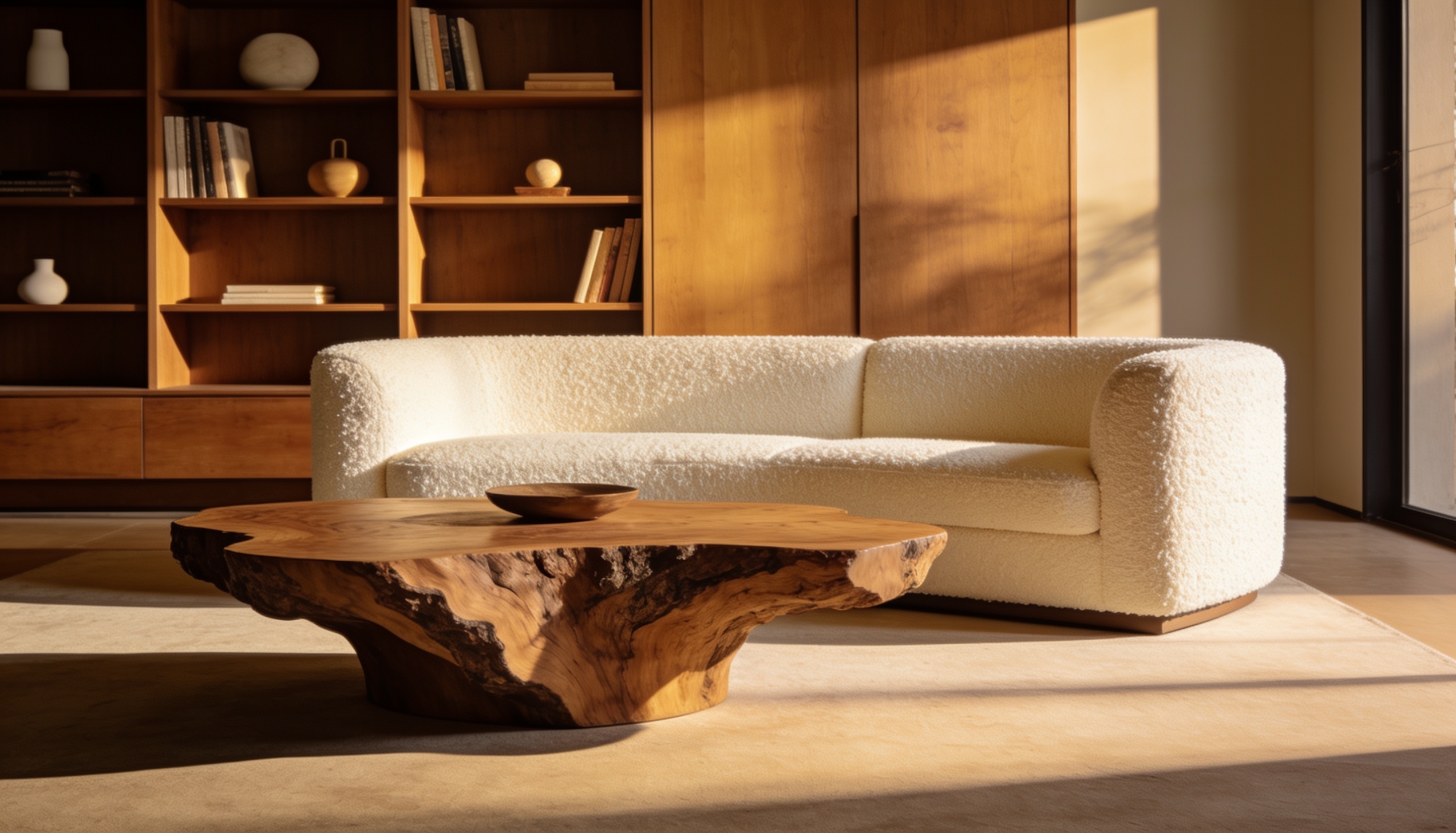
7 Furniture Trends 2026 That Turn Your Home into a Sanctuary
Furniture trends 2026 — curved pieces, natural materials, and modular furniture for an authentic home. Discover how to transform your living space.