7 Ways Microcement Completely Transforms Your Interior
Microcement finishes for walls, floors, and bathrooms — discover costs, benefits, and layout ideas for a contemporary look in your home.
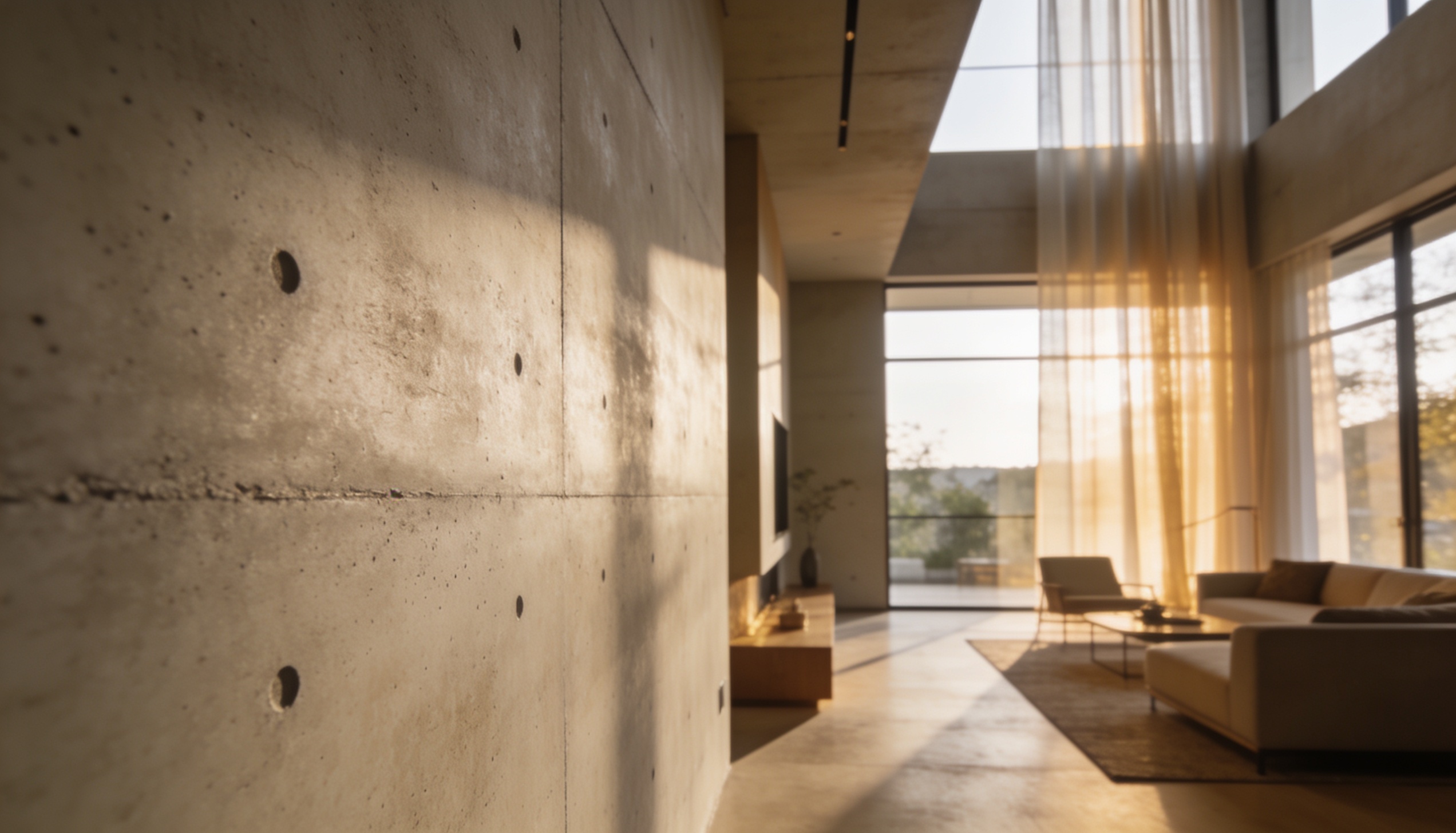
You have been seeing more and more apartments with smooth, jointless surfaces running from the bathroom straight into the living room. Microcement finishes are everywhere in architects’ projects and design magazines. It is one of the most sought-after finishing solutions in 2026. But does it really work as well as it looks? And more importantly, which areas of the house actually benefit from it?
What is microcement and why has it exploded in popularity
Microcement is a thin cement-based finishing layer applied directly over existing tiles, screed, or drywall. It is 2–3 millimeters thick and creates a continuous, jointless surface. Unlike traditional screed or poured concrete, microcement is applied in successive layers with a spatula. You can use it in renovations too, without demolishing anything.
Its popularity has surged in recent years for three reasons. First: it looks exactly like exposed concrete but costs less and installs faster. Second: it is perfect for small spaces, where a continuous floor makes the room feel larger. Third: it works in both new builds and renovations because it bonds to almost any existing surface.
A recent feature in Igloo magazine notes that microcement finishes appear more and more frequently in residential projects, especially in bathrooms and living rooms with contemporary design. International publications like Yatzer regularly feature homes with microcement and polished concrete floors in their project galleries.
Seven areas where microcement makes a difference
Every space in the house presents different challenges for a finish. Microcement is not suitable everywhere, but where it works, the result is striking:
-
Full bathroom. This is the most common choice. Walls, floor, bathtub surround, or vanity — all in the same continuous material. An apartment in Cluj-Napoca, featured in Igloo, has its master bathroom entirely finished in microcement. The result is a jointless shower enclosure that cleans easily and looks like a luxury hotel.
-
Entry hall. It is the first room you see when you walk in and also the most trafficked, so durability matters. Microcement handles heavy foot traffic well. If you choose a dark color, it hides scuff marks much better than hardwood. In designer Hajni Ilyes’s apartment, the hallway gets a microcement finish that creates a natural transition between zones.
-
Open-plan kitchen. Countertops, kitchen islands, and backsplashes all get a microcement finish. You eliminate the grout lines where dirt accumulates. Just make sure to apply an extra protective lacquer layer around the cooking area.
-
Balconies and terraces. Microcement holds up outdoors if you add a hydrophobic layer. In the same Hajni Ilyes apartment, they chose microcement for the balconies too, creating continuity between inside and out. It stays cleaner than tiles because there are no joints where moss can grow.
-
Bedroom. It may sound cold, but microcement in warm tones — beige, taupe, or light gray — creates a neutral backdrop that makes furniture stand out. Pairing it with a large rug and linen curtains is one of the most appreciated design trends of 2026.
-
High-traffic living room. If you have small children or pets, you know how quickly hardwood gets scratched. Microcement is far more scratch-resistant and unafraid of water. A microcement floor in the living room can last decades without looking worn.
-
Interior stairs. Applied to treads and risers, microcement creates an impressive visual effect. It eliminates the uneven wear you get with wooden stairs and reduces footstep noise.
Microcement vs. exposed concrete: how to choose
Many people confuse microcement with exposed concrete. The difference is significant. Exposed concrete is poured concrete in formwork, 5–10 centimeters thick, used for structure, exterior walls, or visible slabs. It is robust but heavy and expensive to execute properly.
Microcement is the finish that mimics the look of concrete. It is lightweight, thin, and applied over any existing surface. The real difference comes down to cost and flexibility: with microcement you can transform an old apartment into an industrial-look space in days, without demolishing anything.
For interior projects, microcement is almost always the better choice. Exposed concrete only makes sense if you have a structural wall you want to leave visible, or if you are building from scratch with a budget for special formwork. If you want to see how microcement integrates into a living room with natural textures, we have an article that shows exactly that.
How much microcement finishes cost in 2026
Prices vary by surface area, complexity, and location. Here are the market ranges for 2026:
- Microcement flooring: $25–45 per square meter, materials and labor included
- Microcement walls: $20–40 per square meter
- Full bathroom (walls + floor + shower enclosure): $800–1,800 for a standard bathroom
- Balcony or terrace: $15–35 per square meter
The wide price range comes from surface preparation and detail complexity: corners, curves, and transitions between planes. A specialist applies microcement in 3–4 layers, followed by a protective lacquer. The process takes 4 to 7 days, depending on drying times.
Note: not every contractor knows how to apply microcement correctly. A poorly executed finish cracks within the first year. Hire someone with at least 3–5 completed projects and ask for references. And if you are renovating a bathroom with a shower and microcement, pay attention to the drainage slopes.
Five traps to avoid when choosing microcement
Like any finish, microcement has a few weak points. Knowing them in advance means you will not regret your choice:
It cracks if the substrate moves. Microcement is rigid. If the screed underneath is unstable or cracks appear in the wall, they will transfer to the surface. The solution is to reinforce the substrate before application.
Without proper maintenance, it loses its luster. The protective lacquer needs reapplication every 2–3 years, depending on traffic. Skip this, and the surface becomes matte and absorbs stains.
It is not as warm as wood. In winter, a microcement floor is cold. Underfloor heating is almost mandatory if you want thermal comfort.
It costs more than quality tile. The price per square meter is similar to good porcelain tile. The difference is in the labor, which is more expensive for microcement.
Not every tradesperson knows how to apply it. This finish requires skill. Bad installation leads to unevenness, cracks, and unsightly stains. Make sure you hire a specialized team, not a drywall finisher trying microcement for the first time.
Is microcement worth it in your home?
Microcement is not a passing fad. It is a serious finish that solves real design problems: grout lines where dirt collects, awkward transitions between materials, and the feeling of a fragmented space. If you like contemporary style and are willing to invest in a skilled specialist, microcement finishes are among the most durable solutions available in 2026.
If you are considering microcement for your home, use it in bathrooms and hallways without reservation, in the living room only if you have underfloor heating, and on balconies if you want a smooth indoor-outdoor transition. As with any finish, the quality of execution makes all the difference.
Related posts

5 Visual Separation Methods Between Work and Relaxation at Home
Visual separation for your home office — 5 design methods that create visual boundaries between work and relaxation zones. Practical home office layout ideas.
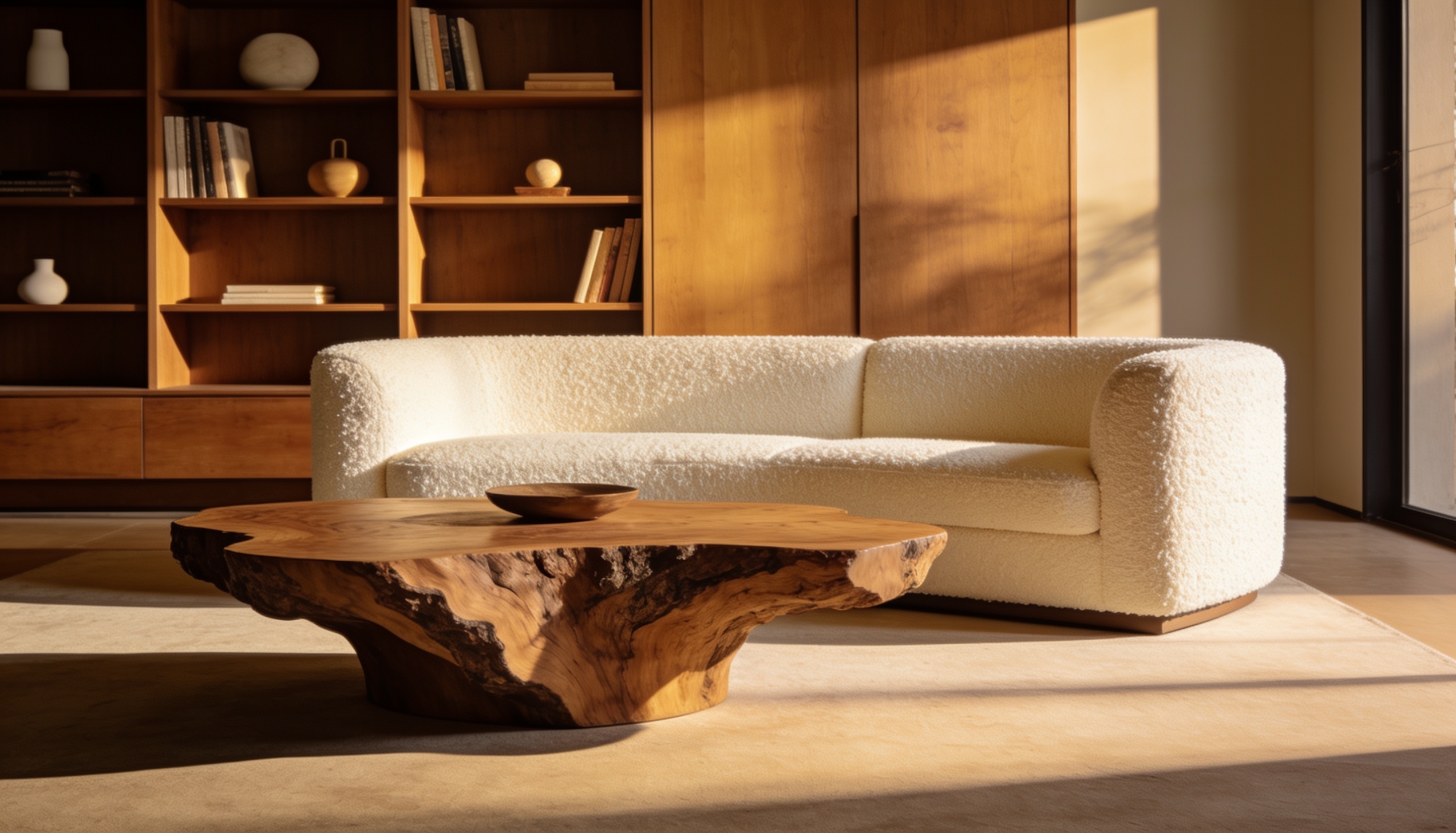
7 Furniture Trends 2026 That Turn Your Home into a Sanctuary
Furniture trends 2026 — curved pieces, natural materials, and modular furniture for an authentic home. Discover how to transform your living space.
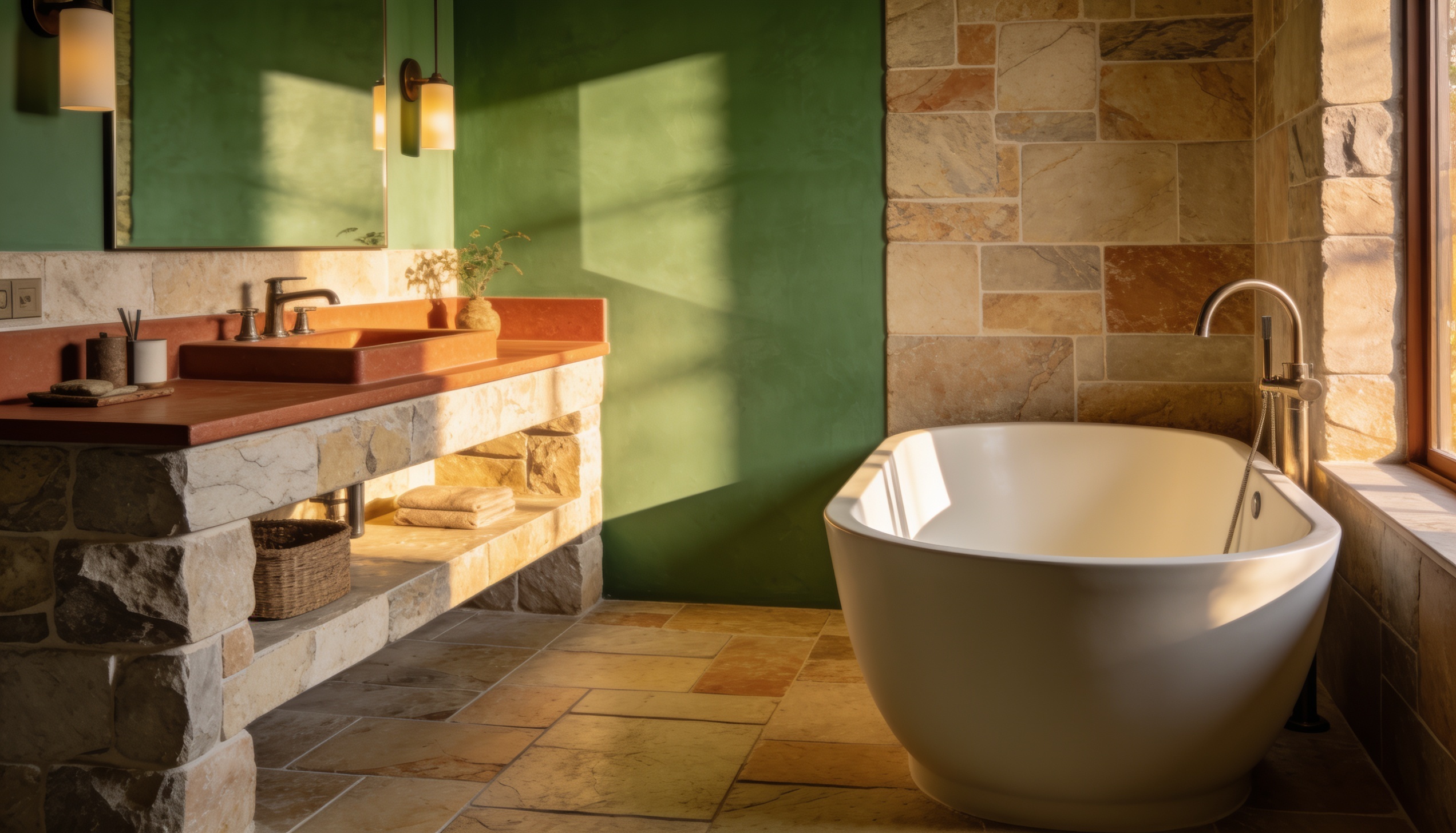
7 Ways Color Returns to Your Bathroom in 2026
Bathroom color trends in 2026: sage green, navy blue, and terracotta transform the bathroom from a sterile space into a corner of personality. Discover how to choose the right c...